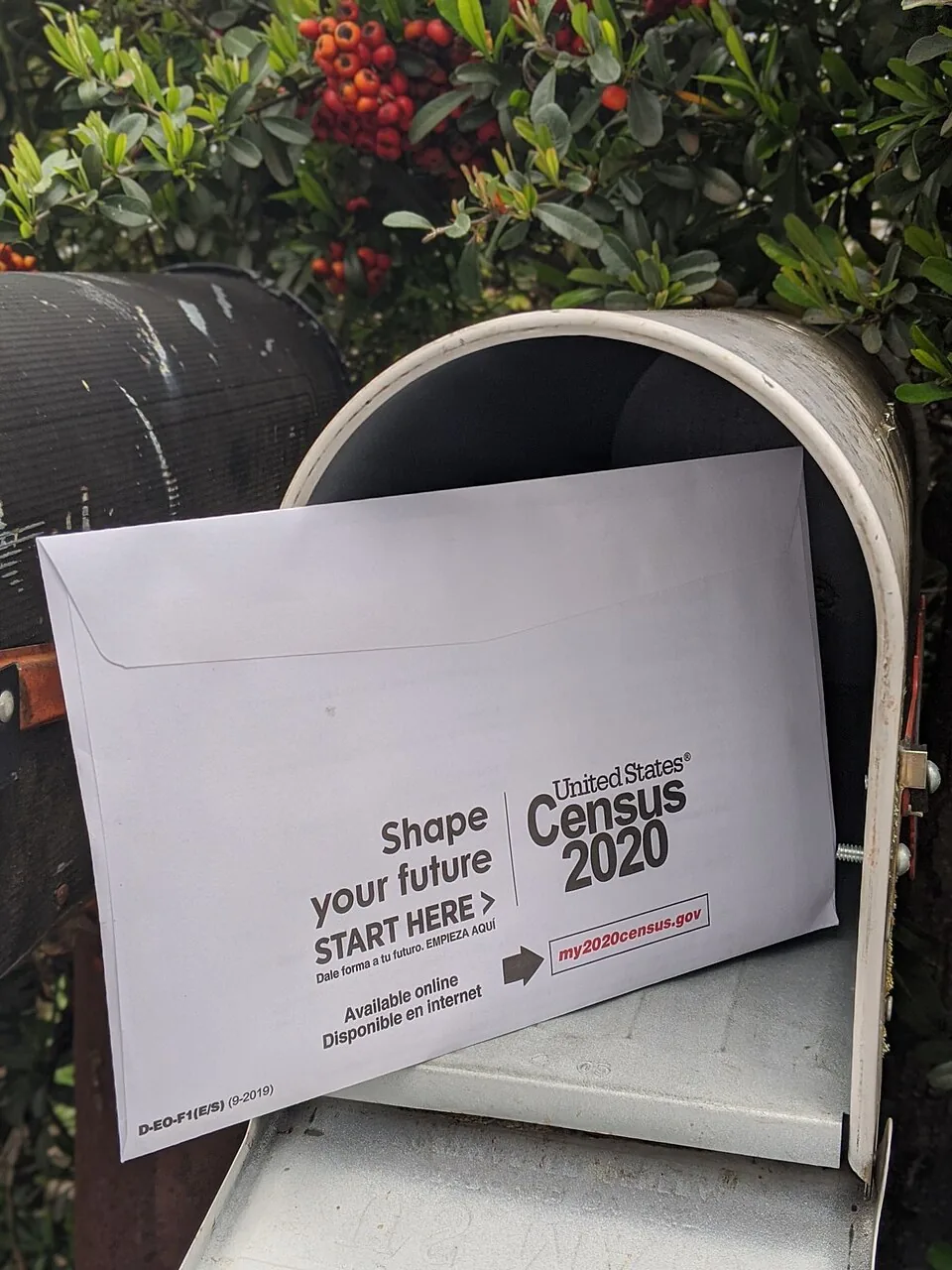
The Trump administration just proposed the most radical changes to the U.S. census in its 240-year history, and the plan essentially boils down to: count fewer people, erase racial data, and pretend LGBTQ Americans don't exist. According to NPR, the proposal would exclude undocumented residents from apportionment counts, eliminate race and ethnicity questions that have appeared on every census since 1790, and ban any question that could capture data about sexual orientation. If this sounds like a scheme to redraw American political power from scratch, that's because it is.
What They're Actually Proposing
NPR's Hansi Lo Wang broke down the administration's proposal, released Wednesday, and it is a lot. The plan calls for excluding non-citizens without green cards from the key population counts the 14th Amendment explicitly says must include the "whole number of persons in each state." Those numbers are what determine how many congressional seats and Electoral College votes each state gets. They are also what redraws every voting district in the country.
The proposal also calls for dropping race and ethnicity questions entirely from the census form. Those questions have been on every single census since the first count in 1790. And it would formally ban any question about sexual orientation, going further than any previous administration has gone in stripping LGBTQ data from federal counts.
All three of these changes, combined, would reshape who has political power in this country. That is not an accident. That is the point.
The Constitutional Problem They're Choosing to Ignore
Here is a fact the administration would prefer you gloss over: the 14th Amendment says the census must count the "whole number of persons" in each state. Not citizens. Persons. The U.S. census has never, in its entire history, excluded residents based on immigration status. Not even during the periods when the Constitution explicitly told it how to count enslaved people as three-fifths of a person and excluded "Indians not taxed" did it sort the remaining population by immigration status, because the concept barely existed in the same form.
The proposal faces what NPR diplomatically describes as "likely legal challenges." That is a polished way of saying it will get sued into the ground before the ink is dry. Trump tried this exact move before the 2020 census, attempting to subtract undocumented residents from apportionment counts. It failed. The Supreme Court blocked a citizenship question for the 2020 census. His administration is now just proposing the same things louder, with different fonts on the paperwork.
The Constitution gives Congress, not the president, final authority over the census. The administration is supposed to submit a report on proposed question topics to Congress by April 1. So this is, for now, a proposal. A very loud, very political proposal.
Who Gets Hurt When the Count Gets Cooked
Cutting undocumented residents from apportionment numbers would shift congressional seats and Electoral College votes away from states with large immigrant populations, like California, New York, and Texas, and toward states with fewer immigrants. That is not a coincidence. It is the electoral math the Republican Party has been openly fantasizing about for years.
Dropping race and ethnicity data is a different kind of damage. Civil rights advocates, researchers, and census supporters warn that without that data, you lose the ability to enforce the Voting Rights Act, track housing and employment discrimination, and inform pretty much any policy that touches on racial equity. The federal government has collected this data since 1790. Eliminating it does not make race less real. It just makes it harder to see who is being harmed.
And the chilling effect matters before a single change is enacted. NPR reports that census advocates are already worried the administration's proposals will scare Latino residents, a group the Census Bureau has historically undercounted, away from participating in 2030. You do not have to actually change the law to break the census. You just have to make enough people afraid to fill out the form.
The LGBTQ Data Ban Nobody Is Talking About Enough
Tucked into the proposal is a provision to formally ban any sexual orientation question from future census forms. The federal government has not directly asked about sexual orientation on the census before, but the 2020 count did ask cohabitating couples to identify their partners as "opposite-sex" or "same-sex," which produced at least some usable data.
The Justice Department under Democratic administrations had argued that sexual orientation and gender identity data were necessary to generate statistics that could protect LGBTQ people from discrimination. The first Trump administration blocked that effort. This administration wants to write the prohibition into the census framework itself.
This is the same playbook used everywhere else in Trump's second term: if you stop counting a group, their problems officially disappear. No data means no discrimination to enforce against. It is a bureaucratic magic trick where the rabbit does not actually vanish, it just stops being the government's problem.
This Movie Already Had a Bad Ending Once
Trump tried virtually all of this during his first term. The citizenship question for the 2020 census was struck down by the Supreme Court in 2019. The attempt to exclude undocumented residents from apportionment counts was blocked. The effort to stall updates to racial and ethnic data standards succeeded in delaying progress, but the Biden administration eventually moved forward with revisions.
Now the second Trump administration is running the same plays again, betting that a different Supreme Court composition, a more compliant bureaucracy, and sheer institutional exhaustion will get them further this time. According to NPR, the proposal also comes after Trump posted on social media in August 2025 directing his administration to start work on a "new" census, framing it as part of a congressional gerrymandering fight he personally instigated.
GOP-controlled states have already filed lawsuits pushing to exclude noncitizens from census counts. NPR found that in Missouri, that kind of change could radically shift state legislative maps away from younger, more racially diverse urban areas toward older, whiter rural ones. Missouri is not an outlier. It is a preview.
The Dingo Take
You are supposed to believe this is about accuracy. That is what they will say. They will say counting undocumented residents distorts the census, that race questions are divisive, that sexual orientation data is inappropriate for a head count. Every word of that is cover for a straightforward power grab. The 2030 census determines who gets represented in Congress, how voting maps get drawn, and where federal money flows for the next decade. Control those numbers and you control the country's political geography for a generation.
The administration is not even trying to hide it. Trump launched this whole push via a social media post about a gerrymandering fight. The states filing lawsuits to support these changes are not worried about census methodology. They want different maps. Maps that reflect an older, whiter, more rural America that is shrinking, not growing. This is the census as a time machine, officially freezing a version of the country that no longer exists.
The legal hurdles are real and the next presidential administration could reverse all of this before a single 2030 form gets printed. But the damage to public trust, particularly among Latino communities already primed to distrust this government, starts now. Every headline about excluding immigrants from the count is a message to millions of people that the government does not want to see them. Some of them will hear that message and act accordingly in 2030. That is exactly what the administration is counting on.



Comments