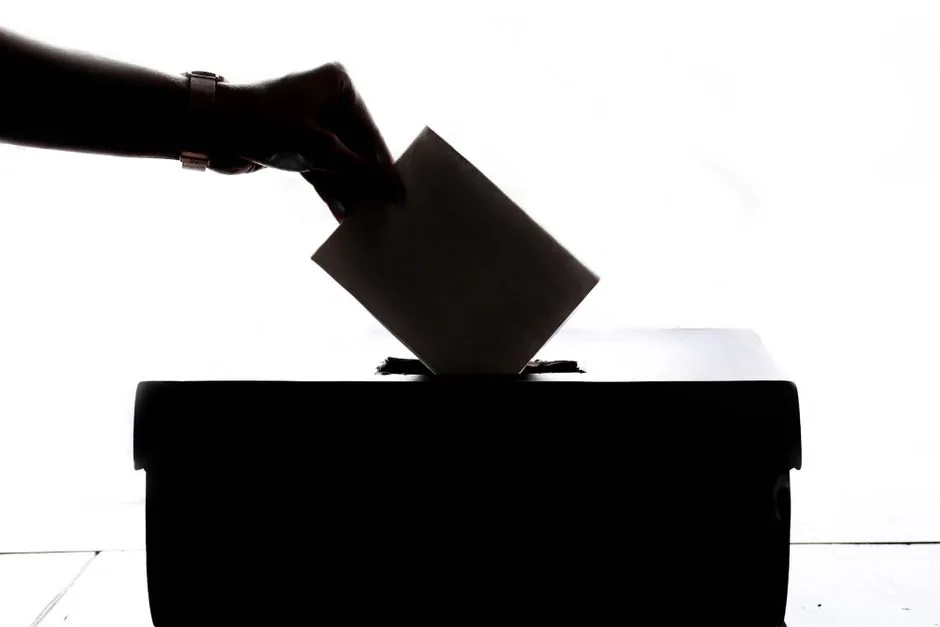
The Department of Homeland Security allegedly instructed its own employees to dig into state voter databases in ways that a whistleblower says break state law. This isn't a rogue agent or a clerical accident. According to a protected whistleblower disclosure released by Senators Chuck Schumer and Alex Padilla, this was policy.
What the Whistleblower Actually Says
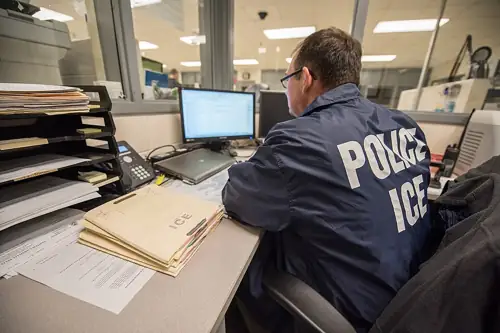
Axios is reporting that the whistleblower disclosure, released jointly by Sen. Chuck Schumer of New York and Sen. Alex Padilla of California, details what they describe as 'serious allegations of illegal and inappropriate activities' inside DHS's Fraud Detection and National Security Directorate. That's the specific unit. That's the specific language. Write it down.
The core allegation is that DHS employees were not just encouraged but instructed to access state voter registration databases in ways that allegedly violate state law. Not federal law, where you might at least argue about jurisdiction and regulatory gray zones. State law. The laws that govern the actual databases DHS was apparently poking around in.
This is a protected whistleblower disclosure, which means someone inside the agency saw what was happening, understood it was wrong, and went through the proper legal channels to say so. That takes guts. It also means there is a paper trail, testimony, and a formal record that Senate Democrats now hold and have made public.
The 'Voter Fraud' Obsession That Never Ends
Let's be clear about the context here. The Trump administration has spent years insisting that American elections are riddled with fraud, a claim that has been litigated in roughly 60 post-2020 court cases and lost almost all of them. Courts, election officials, and the administration's own former Attorney General said the fraud claims were garbage. None of that mattered.
Axios frames this disclosure as evidence of the administration's 'persistence in trying to root out purported voter fraud by any means necessary.' By any means necessary. That phrase is doing a lot of work. When the legal routes keep coming up empty, apparently the response is to send federal employees into state voter systems through whatever door they can find, legal or not.
The voter fraud preoccupation isn't really about fraud. It never was. It is about control of who votes, who gets scrutinized, and who gets purged. A federal agency with access to state voter databases and instructions to use them aggressively is not a fraud detection tool. It is a suppression tool wearing a badge.
Why DHS Is Doing This at All
Here is a question worth sitting with: why is the Department of Homeland Security, an agency built to respond to terrorism and border security, running operations inside state voter registration systems? The Fraud Detection and National Security Directorate was created to screen immigrants and visa applicants. Its mission creep into domestic electoral infrastructure should alarm basically everyone, regardless of party.
The answer, pieced together from the Trump administration's public statements and actions over the past several years, is that DHS has been repositioned as a general-purpose enforcement arm for the administration's political priorities. Immigration, elections, civil society organizations the administration dislikes. The portfolio keeps expanding. The legal authority to match it does not.
State voter databases are maintained under state law, funded by states, and governed by state rules about who can access them and under what conditions. The federal government does not own those systems. If DHS employees were accessing them in ways that violate those state rules, that is not a technicality. That is a crime.
Schumer and Padilla Drop the Disclosure
The decision by Schumer and Padilla to release this publicly is a deliberate political move, and a smart one. Senate Democrats are in the minority and cannot compel hearings or subpoena documents with the ease they once could. What they can do is get whistleblower disclosures into the public record and dare Republicans to defend what's in them.
Padilla, it's worth knowing, served as California's Secretary of State before entering the Senate. He ran elections. He understands what legitimate election administration looks like, and he understands what federal interference in state voter systems looks like. His name on this disclosure is not incidental.
As of this reporting, there has been no public response from DHS addressing the specific allegations in the disclosure. The administration's standard playbook in situations like this runs through denial, then 'ongoing review,' then hoping the news cycle moves on. Whether Congress applies enough pressure to force something more is the open question.
What Comes Next, If Anything
The whistleblower is protected under federal law, which means retaliation against that person would itself be illegal. That protection is real, but it has not always stopped this administration from making life difficult for people who go public with inconvenient information. The person who filed this disclosure took a serious risk.
For the disclosure to have any teeth beyond the news cycle, it needs either a congressional investigation with subpoena power or a referral to the Justice Department, which is currently run by people who serve at the pleasure of the president whose administration is being accused. Neither path is straightforward. Both face significant political headwinds.
What is already true, regardless of what happens next, is that a federal employee watched colleagues being directed to access state voter systems illegally, decided that was not something they could stay quiet about, and went on record. That record exists now. It is public. Someone inside DHS thought this was wrong enough to risk their career over it.
The Dingo Take
You are supposed to believe this is about fraud prevention. A federal homeland security directorate, designed to screen visa applicants and flag national security threats, has allegedly been sent into state voter databases with instructions that whistleblowers say break state law, and the cover story is that they are protecting the integrity of American elections. The same administration that lost 60 court cases trying to prove the elections were stolen is now, apparently, running illegal data operations on the voter rolls. The audacity is genuinely breathtaking.
The specific detail that keeps nagging: state law. Not some murky federal regulatory question where lawyers can argue for years. State law. The laws that exist specifically to govern these databases and protect the people in them. Someone at DHS made a decision that those laws did not apply to them, or that breaking them was worth it, and then instructed employees to proceed accordingly. That is not overzealous bureaucracy. That is a policy choice made by people who thought they would not get caught.
The whistleblower got caught watching them. Good.

Comments