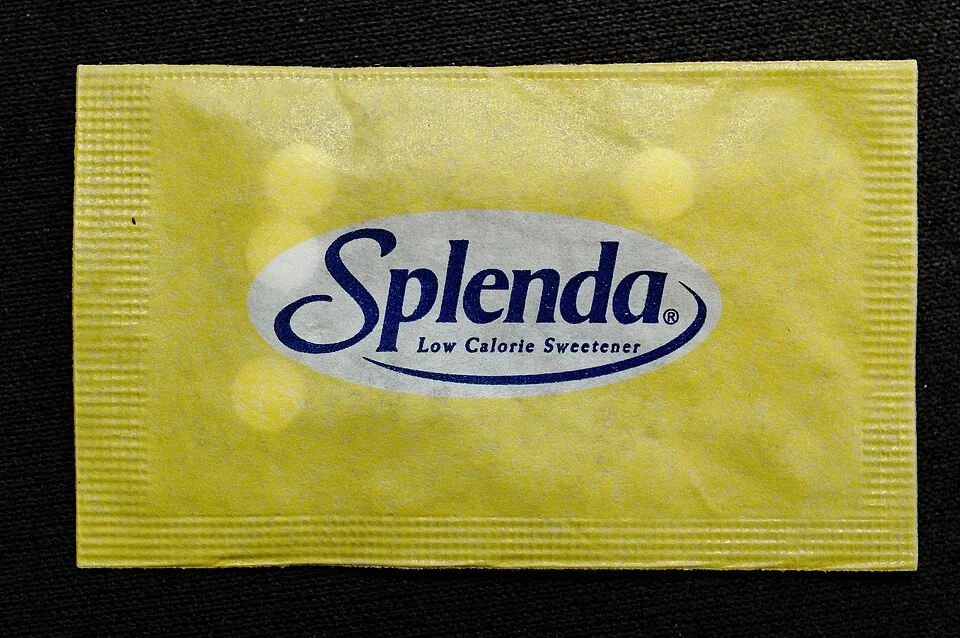
A byproduct linked to sucralose, the artificial sweetener in Splenda, broke up DNA in human cells and punched holes in a laboratory model of the human gut lining. Those are the findings. The argument about what they actually mean for the people chugging Diet Snapple every afternoon is, somehow, even messier than that.
The Chemical You've Never Heard Of Is the One Doing the Damage
The story starts not with sucralose itself but with a close chemical relative called sucralose-6-acetate. As ScienceDaily reports, this compound can form during manufacturing and linger in the finished sweetener as an impurity. Researchers at North Carolina State University found it present at concentrations of up to 0.67% in commercial sucralose samples they tested.
This matters because sucralose-6-acetate is not the same thing as sucralose. You are not necessarily eating the exact same substance listed on the packet. You are eating that, plus whatever trace companions hitched a ride through the production process. The distinction sounds minor. It is not.
The NCSU team also published earlier work, back in 2018, suggesting sucralose was being chemically altered inside rat digestive systems, producing fat-soluble compounds that showed up in urine and feces. Their 2023 follow-up identified sucralose-6-acetate as one of those compounds. The implication was that digestion itself might be generating the stuff inside you. European regulators later pushed back on that reading, suggesting the compounds could have been impurities in the original administered dose rather than metabolic products, but the question is not fully closed.
What the Lab Actually Found
The 2023 experiments, published and widely covered at the time, exposed cultured human blood cells directly to sucralose-6-acetate and looked for signs of genetic damage. What they found, according to ScienceDaily, was consistent with genotoxicity, the technical term for a substance that damages DNA.
"In short, we found that sucralose-6-acetate is genotoxic, and that it effectively broke up DNA in cells that were exposed to the chemical," said Susan Schiffman, the study's corresponding author and an adjunct professor in the joint biomedical engineering department at NC State and UNC Chapel Hill.
The researchers also tested both sucralose and sucralose-6-acetate on laboratory models of the intestinal lining. Both chemicals increased the permeability of the gut barrier under experimental conditions, what scientists call a "leaky gut," where things that should be expelled through waste instead cross into the bloodstream. On top of that, exposure to sucralose-6-acetate increased activity in genes associated with oxidative stress, inflammation, and carcinogenicity in the gut cells.
Schiffman framed the threshold problem in terms regulators use: the European Food Safety Authority sets a toxicological concern threshold for genotoxic substances at 0.15 micrograms per person per day. According to Schiffman, the trace amounts of sucralose-6-acetate found in a single sucralose-sweetened drink already exceed that number. That claim is doing a lot of work in this story, and it deserves scrutiny, but it is also not nothing.
Here Is the Part Where It Gets Complicated
None of this is a clean verdict. The experiments were in vitro, meaning they happened in dishes and laboratory tissue models, not inside living people drinking sweetened beverages. As ScienceDaily is careful to note, exposing cells directly to a chemical can identify a potential hazard, but it does not by itself show whether eating something actually delivers enough of that chemical to human tissues to cause the same damage.
The distance between "this chemical breaks up DNA in a lab dish" and "Splenda is giving people cancer" is significant, and anyone collapsing that gap immediately is getting ahead of the science. The researchers did not demonstrate harm from everyday consumption. They demonstrated a mechanism worth investigating further. Those are different things.
The European Food Safety Authority completed a major review in 2026, the same year ScienceDaily covered this story, and concluded that sucralose remains safe under its currently authorized uses. That is not a trivial data point. EFSA reviews are thorough, and European food regulators have historically been more cautious than their American counterparts, not less. If they looked at the available evidence and said it was fine, that matters.
Why This Still Deserves Your Attention
Here is the tension that does not go away just because EFSA signed off: the 2023 study identified a real compound causing real cellular damage under real laboratory conditions. European regulators questioned whether digestion actually produces sucralose-6-acetate in people, which would be a significant mitigating factor. But the compound is demonstrably present as a manufacturing impurity in commercial sucralose before it ever enters a human body. That part is not disputed.
Schiffman's team found it at levels that exceed EFSA's own threshold for genotoxic concern in a single daily serving. If you accept the impurity data and the threshold comparison, that is a regulatory gap worth explaining. If EFSA's 2026 safety conclusion accounts for that data and still finds the net exposure acceptable, the public deserves to understand exactly how those two things fit together, and that explanation has not been particularly loud or clear.
The sweetener industry has obvious financial incentives to downplay findings like these. Researchers pushing an alarming narrative also have career incentives that are worth keeping in mind. The actual answer probably lives somewhere in the uncomfortable middle, which is precisely the place that gets the least attention.
The Dingo Take
You are supposed to believe that a chemical which demonstrably breaks DNA strands in human cells is completely fine because a regulatory body says the authorized uses are safe. Maybe that is true. Regulatory science is not a conspiracy. EFSA is not Big Sucralose. But "safe under currently authorized uses" is also doing a quiet amount of heavy lifting in that sentence, and the gap between what the lab found and what the public-facing messaging sounds like is wide enough to drive a truck through.
The actual problem here is structural. Artificial sweeteners got turbocharged adoption partly because the food industry needed a way to let people feel virtuous about consuming processed garbage, and regulators approved them on the best available evidence at the time. When new evidence complicates that picture, the update cycle is slow, the industry pushback is immediate, and the people left sorting through conflicting headlines are the ones drinking the stuff three times a day because they were told it was the healthy choice. That is a familiar pattern.
None of this means you should throw your Splenda in the garbage today. The science is genuinely unsettled. What it does mean is that "safe" is not a permanent condition, it is a provisional assessment based on current knowledge, and the current knowledge on sucralose-6-acetate is thin, contested, and inconvenient enough that very few people in positions of authority seem eager to resolve it quickly. Sit with that.




Comments