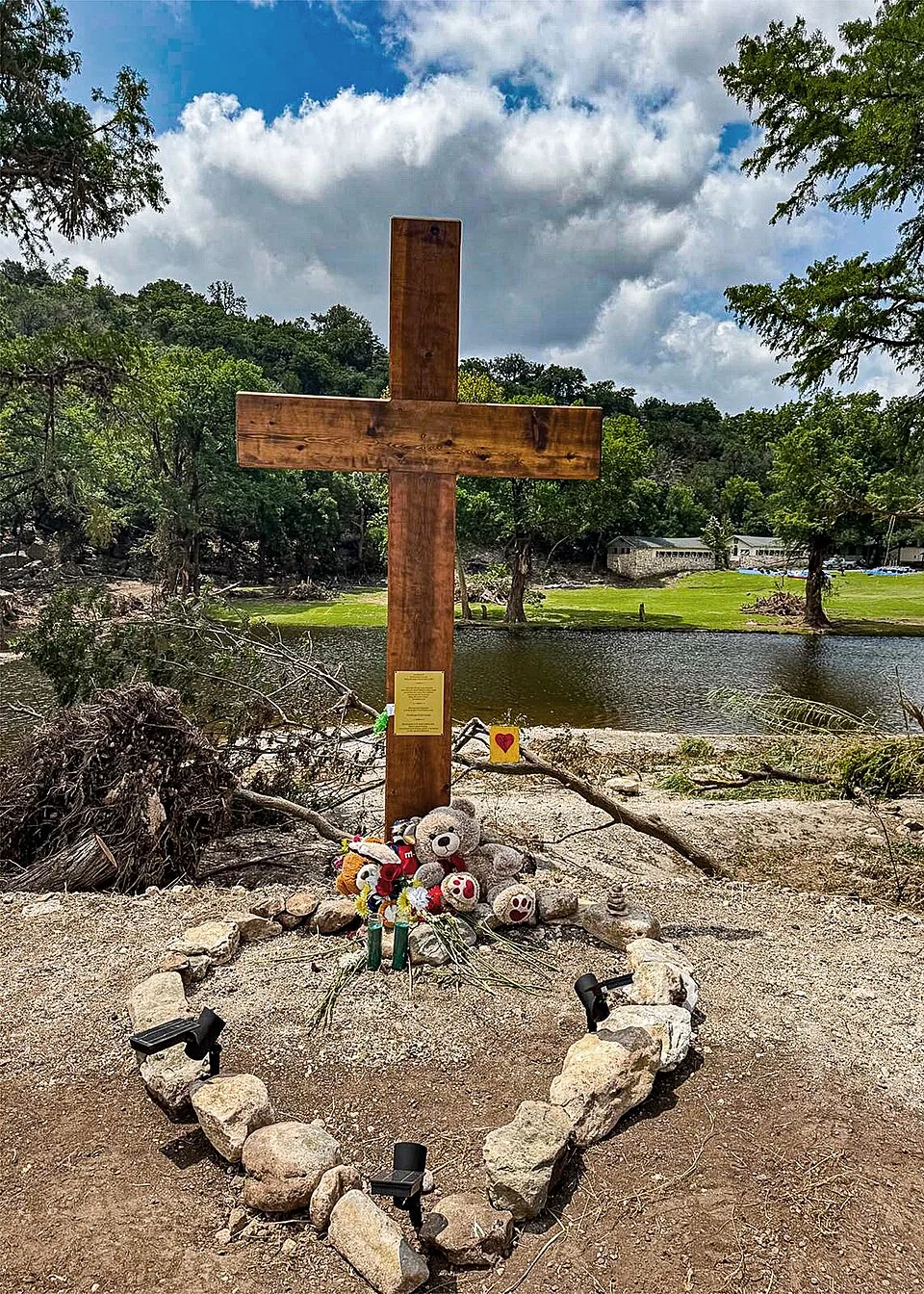
Court documents show that Camp Mystic, the Christian all-girls sleepaway camp where 27 people drowned on the Fourth of July last year, now faces a criminal investigation that could result in manslaughter or negligent homicide charges. Texas Rangers executed search warrants last week targeting the electronic communications of the camp's owners. According to the Rangers, the camp monitored late-night flood warnings and moved no one.
What the Search Warrants Actually Say
The Guardian obtained court documents showing that Texas Ranger Brant Johnston filed an affidavit laying out, in precise and damning detail, everything Camp Mystic allegedly failed to do before 27 people died. The camp had inadequate emergency plans. It failed to conduct emergency drills or training. Some cabins did not have enough adult counselors to manage an evacuation. And despite monitoring late-night flood warnings, no one moved the children out of low-lying cabins.
Johnston's conclusion was not subtle. "Camp Mystic, LLC was aware of and consciously disregarded a substantial and unjustifiable risk of death to the campers in their care," he wrote. That language, aware of and consciously disregarded, is not the language of a tragic accident. That is the language of criminal culpability.
No charges have been filed yet. A representative for the camp did not return messages seeking comment, which, given the circumstances, tracks.
A Night That Should Have Gone Differently
Twenty-five campers and two teenage counselors were killed when the Guadalupe River surged past its banks before dawn on July 4th, 2025. The camp's owner, Richard Eastland, also died in the flood. All told, the flooding killed at least 136 people along the river, according to The Guardian.
Camp Mystic had operated for decades as a beloved Texas institution, the kind of place where families sent their daughters to ride horses, canoe, fish, and attend Bible studies. Generations of girls had summers defined by it. This past summer, the camp did not reopen. It has filed for bankruptcy reorganization.
Johnston wrote in his affidavit that "young campers cannot reasonably be expected to independently recognize a rapidly developing, life-threatening hazard or to organize and execute an evacuation absent direction from an adequate number of adult supervisors." That is a polite way of saying: the adults knew, and they did not act.
A Year of Stonewalling the Grieving Parents
Here is where the story gets a particular kind of ugly. According to The Guardian, investigators have been conducting interviews with witnesses, flood victims, and people associated with the camp for over a year. Several people, including members of the Eastland family and other top camp officials, refused to participate in those interviews.
The families of victims noticed. Attorneys Christina Yarnell and Brad Beckworth, representing the family of victim Cile Steward, said in a written statement that "for more than a year, families of the 27 angels killed at Camp Mystic have fought, begged, and pleaded with the Eastland family for accountability and answers." They said the Eastlands have "held hostage the information and answers owed to parents who deserve, more than anyone, to know the details surrounding their daughters' final moments."
Cile Steward's body has still not been found.
The Eastland family did testify in court and before the state legislature in the months after the flood. Camp director Edward Eastland offered what The Guardian describes as a tearful apology. A tearful apology, notably, is not the same thing as an explanation. And it is definitely not the same thing as the communications that Rangers are now seeking through search warrants.
The Warrants Are Welcome, But They're Late
Yarnell and Beckworth welcomed the search warrants while making clear that they found it obscene that warrants were necessary at all. That frustration is understandable. When 27 children and teenagers die at a summer camp and the people responsible for their safety refuse to voluntarily hand over their phones and emails, it is not a great sign about what those communications contain.
The warrants seek electronic communications that investigators believe could provide evidence of manslaughter, negligent homicide, child abandonment, or other crimes. Again, no charges have been brought. The investigation is ongoing. But the affidavit filed by Johnston does not read like the work of investigators going through the motions. It reads like investigators who believe they know what happened and are building a case.
The Dingo Take
Twenty-seven people are dead. A Texas Ranger put it in writing that the camp knew about the flooding risk and consciously chose to do nothing. The families have been asking for a year and got stonewalled. And we are still at the search warrant stage.
That is the part that should keep people up at night. Not the flood itself, as catastrophic as it was. The flood is a natural disaster. What allegedly happened before the flood is a series of choices: no drills, no evacuation plan, not enough counselors in the cabins, and warnings that came in while children slept in low-lying ground and nobody moved them. A summer camp full of kids is one of the most basic duty-of-care situations imaginable. You take their parents' money. You promise to keep them safe. You watch the river rise and you get them out.
One of the victims' mothers still does not know where her daughter's body is. The camp filed for bankruptcy. The owners gave a tearful apology to a legislative committee and then, apparently, stopped talking. If the criminal justice system cannot find its way to accountability here, with this affidavit, with this trail of alleged negligence, with 27 dead children and their families still waiting for answers, then the phrase "accountability" needs to be retired permanently from the American vocabulary.


Comments