It is September 2026, and the 2028 presidential race is already being shaped by a technology most voters can barely define and overwhelmingly want someone to control. A New York Times/Siena College poll found that 61% of Americans oppose building more datacenters. A CNN/SSRS poll found that 71% think the government isn't doing nearly enough to regulate AI. Nobody told Donald Trump, who apparently cannot hear any of this over the sound of his own enthusiasm.
The Moment Everything Got Loud
Something cracked open in mid-September. According to The Guardian, tech executives began issuing a wave of dire public warnings that AI development, moving at its current pace, could cause real harm to real human beings. Not abstract harm. Not science fiction harm. The kind of harm that makes C-suite people who normally spend their lives selling you on the upside go visibly pale at a podium.
This is not a small thing. When the people who built the machine start warning you about the machine, that is the kind of news cycle that tends to stick. And it landed directly in the middle of an early, jostling, not-quite-official Democratic presidential primary conversation that was already circling AI like it smelled blood in the water.
What the Numbers Actually Say
Let's stay with those polls for a moment, because they are genuinely striking. Sixty-one percent of voters oppose datacenter construction. Not 'have concerns about.' Not 'would like more information on.' Oppose. That is a majority with an opinion, which in American politics today is practically a miracle.
The 71% figure on AI regulation is even more remarkable. That's not a left-right split. That's not a coastal-versus-heartland argument. Seventy-one percent is the kind of number that includes your libertarian uncle, your crypto-bro nephew, and your neighbor who still has a 'Blue Lives Matter' flag up. When you find that many Americans agreeing on anything, you have found either a genuine crisis or a genuine political opportunity. In this case, it appears to be both.
The Guardian's reporting frames these polls as part of why AI has become, as they put it, a 'buzzy topic' for potential Democratic candidates. That is a very polite way of saying every Democrat with a 2028 ambition is currently trying to figure out how angry to sound about robots.
Trump's Position, Stated Simply: Full Speed, No Brakes
Donald Trump has looked at all of the above and decided the correct response is to ignore it entirely. The Guardian reports that Trump has brushed off public concern and insists the United States must lead the world in AI development, full stop. The early Republican field is, predictably, lining up behind him.
This is Trump's whole theory of everything, applied to technology: winning is the goal, caution is for losers, and anyone raising an alarm is probably working for China somehow. It is a consistent worldview, you have to give him that. It is also the kind of worldview that tends to produce catastrophic outcomes in domains that actually require foresight, which, as it turns out, 'technology that might harm humans' might be one of.
Where the Democrats Are Landing
The Democratic potential candidates, according to The Guardian, are calling for guardrails. Some are going further and embracing calls for an outright slowdown in AI development. The explainer mentions Gavin Newsom, Alexandria Ocasio-Cortez, Kamala Harris, and Pete Buttigieg as names already in the conversation, though it stops short of mapping out each candidate's precise position in detail.
What is clear is that the spectrum inside the Democratic primary runs from 'regulate it carefully' to 'slow the whole thing down.' That is a meaningful internal debate. The 'regulate it carefully' camp is essentially arguing you can have AI development and safety simultaneously, like a seatbelt in a race car. The 'slow it down' camp is arguing that maybe the race car is the problem. Both positions are defensible. Both will get tested brutally over the next two years.
What no serious Democrat appears to be arguing, notably, is Trump's position. Which means whoever wins the primary will enter the general election with a clear contrast to draw. Whether that contrast is an asset depends almost entirely on what happens with AI between now and November 2028.
Why This Issue Has Legs Unlike Most
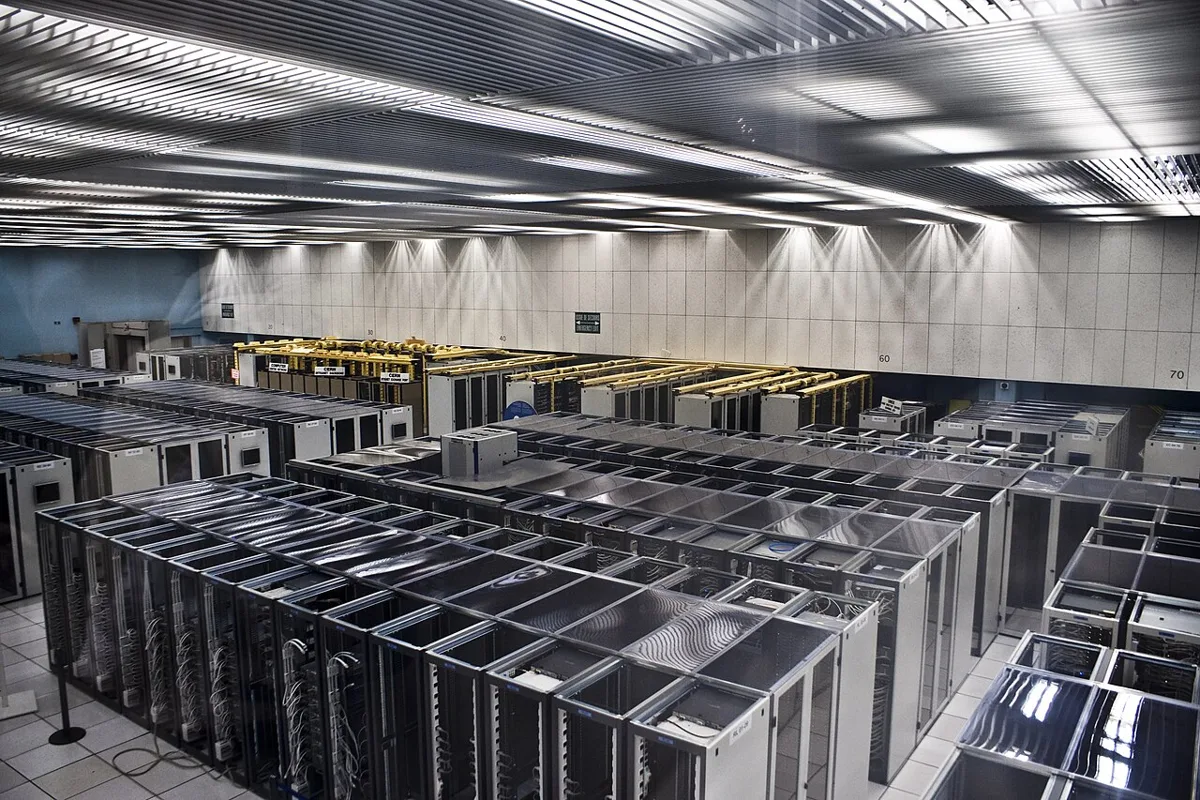
Political issues come and go. AI, for a few specific structural reasons, is not going anywhere. Datacenters are being built right now in communities across the country, consuming staggering amounts of water and electricity. Energy prices are affected. Local environments are affected. People who have nothing to do with Silicon Valley are watching a datacenter go up in their backyard and asking who exactly approved this.
That makes AI regulation something rarer in American politics: an abstract technological debate with concrete local consequences. It connects to energy policy, to environmental concerns, to jobs, to economic anxiety about automation, and now, after September's warning bells from the tech industry itself, to basic questions about public safety. That is a lot of hooks. A savvy candidate does not need to manufacture urgency here. The urgency is already fully assembled and waiting.
The Dingo Take
You are supposed to believe that a 61% majority against datacenter construction is a niche concern held by environmentalists and people who read too much science fiction. You are supposed to believe 71% of Americans demanding AI regulation is a passing mood that will fade once the next news cycle arrives. You are supposed to believe Trump's 'America must lead, consequences be damned' posture is a serious policy platform and not a bumper sticker glued over a void where a policy should be.
It is not a niche concern. It is not a passing mood. And the Democratic primary, whatever else it becomes, is going to force every candidate on that stage to have an actual answer for what happens when the technology outpaces the rules. That is a good thing. That is what primaries are supposed to do: stress-test the ideas before the general election does it with live ammunition.
The honest read here is that this is one of the few 2028 issues where the Democratic field starts with a structural advantage, not because they are smarter, but because Trump has already staked out the least popular possible position with no room to maneuver. He cannot suddenly become the AI-regulation candidate. He is ideologically and temperamentally incapable of it. That leaves an open lane. Whether any Democrat is bold enough, or specific enough, to drive through it is the question worth watching.



Comments