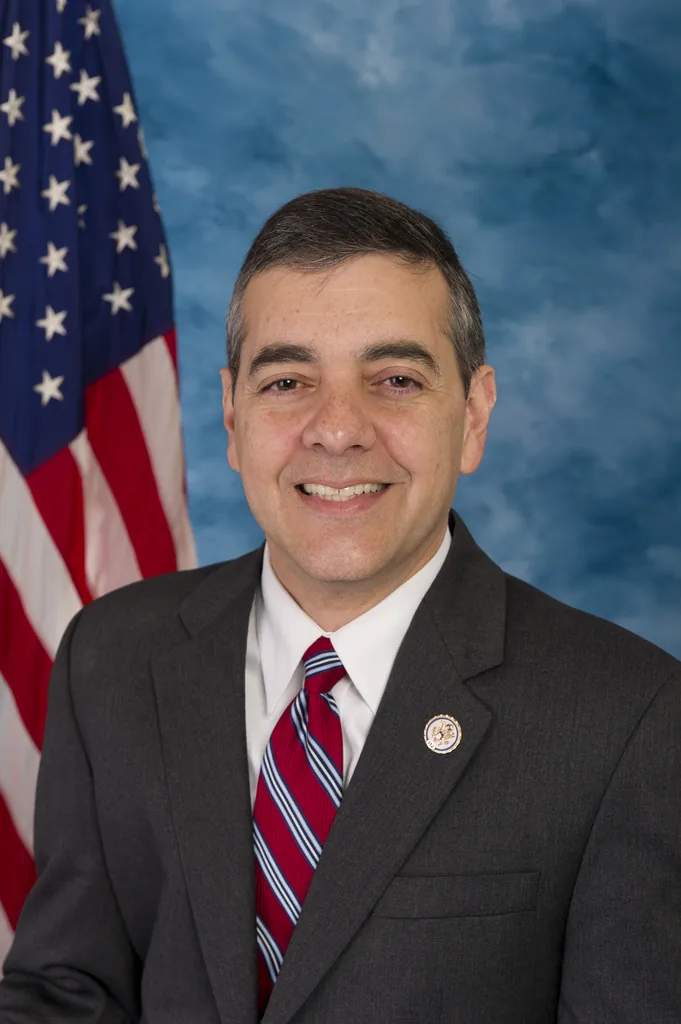
A former Republican congressman who shared a house with Secretary of State Marco Rubio was sentenced Friday to 10 years in federal prison for secretly running a $50 million lobbying campaign on behalf of Nicolás Maduro's Venezuelan government. The whole time, Rivera's handlers were texting about Rubio in an encrypted chat group using his code name: 'Miss Clairol.' Because rubio means blond in Spanish, and someone in Caracas thought that was hilarious.
Ten Years, One Very Awkward Friendship
David Rivera, 61, appeared stone-faced in a Miami federal courtroom Friday as Judge Melissa Damian handed down a decade-long sentence. Rivera had been jailed since May, when jurors found him guilty on all counts after a seven-week trial — failing to register as a foreign agent, conspiracy to commit money laundering, and related charges tied to his work for the Maduro government.
The judge didn't mince words. She told Rivera he had betrayed his life's mission, and she drew a pointed comparison that landed like a brick: if this same money had come from Cuba instead of Venezuela, nobody in Miami's exile community would have accepted it for a second. "There's no dispute this money came from the Maduro regime," Judge Damian said at the hearing, according to the New York Post.
Rivera's attorneys plan to appeal. They also applied for a presidential pardon in June. Rivera faces additional federal foreign lobbying charges in Washington, D.C., so this is not the last courtroom he'll see.
The Chat Group, the Code Names, and the Yacht
The trial, as the New York Post reports, offered a genuinely remarkable window into how foreign influence operations work in Miami — a city that functions as a pressure valve for Latin American politics, anti-communist exile fervor, and, apparently, creative nickname generation.
Prosecutors presented text messages from an encrypted chat group Rivera set up called MIA — for Miami — with Venezuelan media tycoon Raúl Gorrín as his main contact to the regime. Inside the group, Maduro was the "bus driver," Texas congressman Pete Sessions was "Sombrero," former Venezuelan Foreign Minister Delcy Rodríguez was "The Lady in Red," and their payments were "La Luz" — The Light. Marco Rubio, Rivera's longtime friend and former housemate, was "Miss Clairol." A bilingual joke about his last name. In a Venezuelan intelligence chat. About a secret lobbying operation targeting the U.S. secretary of state.
The money didn't just sit in accounts, either. Prosecutors said some of it went toward maintaining Gorrín's luxury yacht, laundered through a sham agreement with a South Florida company. Rivera and his co-defendant, political consultant Esther Nuhfer, also backdated documents and fabricated cover stories for wire transfers, including a $3.75 million payment connected to that yacht, the New York Post reports.
What Rivera Was Actually Trying to Do
The contract came through PDV USA, a New York-based subsidiary of Venezuela's state oil company PDVSA, also known as Citgo. According to the BBC, federal prosecutors said Rivera and Nuhfer received $50 million for three months of work to lobby members of Congress to soften U.S. relations with Venezuela during the early Trump years — 2017 and 2018 — when the administration was ratcheting up sanctions against Maduro.
The targets included Rubio, then still a senator, and Kellyanne Conway, a senior White House adviser at the time, the BBC reports. Rivera also pulled Sessions into the effort — the Texas congressman later tried to broker a meeting between Rodríguez and an ExxonMobil executive. Sessions also agreed to hand-deliver a letter from Maduro directly to President Trump, after a secret meeting in Caracas.
The whole thing fell apart within six months. Trump sanctioned Maduro, called him a dictator, and launched a maximum pressure campaign. The charm offensive never had a chance. And here's the darkest footnote in the whole story: Rodríguez, the "Lady in Red" from the encrypted chat, has now emerged as a trusted partner of the second Trump administration, after the U.S. military's role in ousting Maduro.
The Defense Argument: Just File the Paperwork
Rivera's attorney, Ed Shohat, made a case at sentencing that deserves to be examined honestly, even if the judge wasn't buying it. The argument, as reported by the New York Post, was that the contract with PDV USA was focused on commercial work — luring ExxonMobil back into Venezuela — which is generally exempt from the Foreign Agents Registration Act. If Rivera had simply filed the FARA disclosure form, Shohat argued, everything he did would have been legal.
"David Rivera does not deserve to die in prison because he failed to file a FARA registration," Shohat said at the hearing. "If he had filed that paper, that form, everything he did, including the $50 million contract, which totally distorted this case, is perfectly legal."
Prosecutors had a different read. They said Rivera didn't file because disclosure would have ended his political career as an anti-communist stalwart in Miami — a community where being caught lobbying for Maduro would be roughly equivalent to getting caught lobbying for Castro. The judge sided with prosecutors. "This is a classic money laundering case," she said Friday.
Rubio Testified. He Says He Knew Nothing.
Marco Rubio, Rivera's former housemate and one of the lobbying campaign's primary targets, testified during the trial. The BBC reports that Rubio told the court he was close friends with Rivera but had no idea Rivera was working as a lobbyist. He was not implicated in any wrongdoing.
Sessions also testified, saying he felt betrayed when he learned of Rivera's contract. The New York Post notes that the trial featured testimony from Rubio, Sessions, and a top Washington lobbyist — all of whom said learning the truth felt like a gut punch.
The sentencing also included a forfeiture order. As the BBC reports, Rivera must forfeit his Florida properties as part of the sentence. Rivera served in Congress from 2011 to 2013. He has been in custody since the May verdict.
The Dingo Take
How do you spend a decade as an anti-communist hero in Miami's Cuban exile community, build your entire political identity around hating authoritarian leftist governments in Latin America, and then secretly take $50 million from Nicolás Maduro? Not a rhetorical flourish — genuinely, mechanically, how does a person do that? The answer, based on the evidence prosecutors laid out, is: carefully, with a yacht, and with a lot of encrypted texts that you assume nobody will ever read in open court.
The thing that makes this story stick is the code names. Somewhere in this operation, someone sat down and decided that Marco Rubio's nickname in the secret Venezuela lobbying chat would be a hair dye brand. That detail is so absurd, so weirdly specific, that it almost distracts from what was actually happening: a former U.S. congressman was running influence operations for a government his own country had sanctioned for human rights abuses, targeting his closest friends in the Senate and the White House, while hiding the money in wire transfers linked to a billionaire's luxury boat. The stakes were enormous. The tradecraft was a group chat.
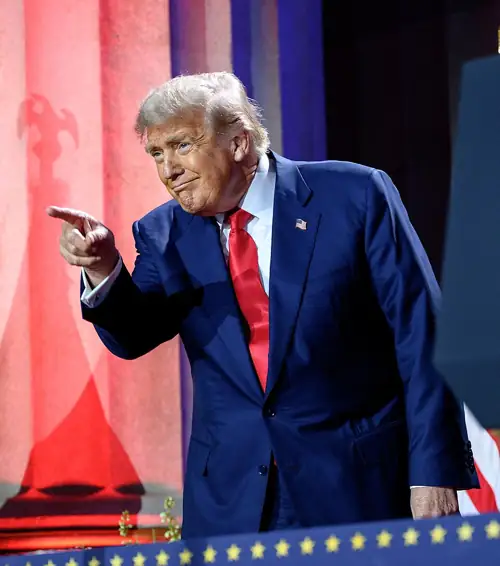
Rivera's lawyers are going to appeal, and they've asked Trump for a pardon. Given that Trump pardoned people who literally stormed the Capitol, the pardon ask isn't entirely delusional. But Rubio is now secretary of state, and he testified that Rivera made him feel betrayed. That's an awkward pardon to sign. Then again, the woman Rivera was secretly lobbying for — Delcy Rodríguez, "The Lady in Red" — is now a U.S. partner in Venezuela policy under this very administration. So if you're looking for a clean moral arc here, you are watching the wrong government.



Comments