
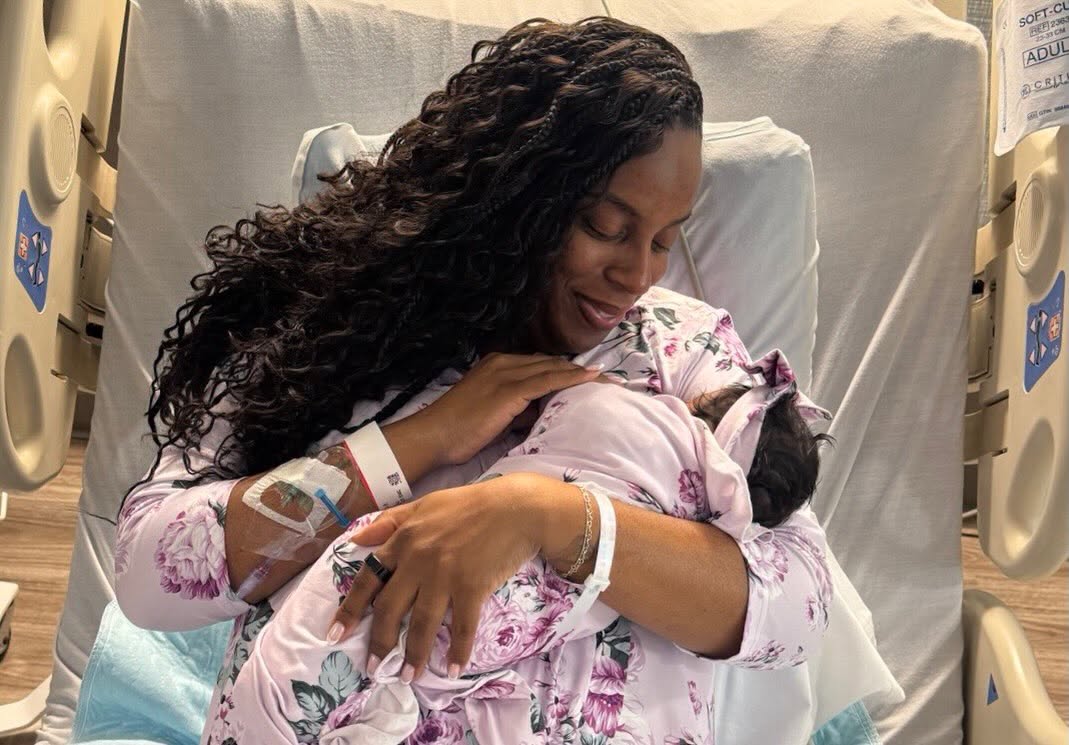
A US citizen who was shot seven times by a Customs and Border Protection agent in Chicago just sued the federal government, alleging the agent lied to the FBI about what happened. Her lawyers say the evidence shows he fired five shots in under a second, and that the last one came from behind her car.
Three Objective Lies, According to Her Lawyers
The Guardian reports that Marimar Martinez, now 31, filed her lawsuit Monday, one year after the shooting on Chicago's south-west side during what the Trump administration called Operation Midway Blitz. Her attorneys commissioned an expert to analyze the bullet trajectories and her injuries. Their conclusion is that agent Charles Exum was not in the path of her car when he opened fire.
Attorney Chris Parente laid out what he says Exum told the FBI within hours of the shooting: that Martinez was driving directly at him, that he shot her five times through the windshield, and that he stopped firing once he was out of the path of the vehicle. "Those are three objective lies that you'll see here today," Parente said.
Three objective lies. In one statement. To the FBI. Hours after shooting a person seven times.
The Math of a Windshield
Here is where the physical evidence gets ugly. According to Parente, only three bullet holes appear in Martinez's windshield, all on the right passenger side. If she were driving straight at the agent, that is not the pattern you would expect.
The fourth shot went through the front passenger side window. And a fifth bullet hole in the back of her car seat shows, per her lawyers, that Exum fired from behind her. The lawsuit says he walked several feet toward the car, contrary to what he told investigators, and fired five shots in less than a second.
"In what world can a US law enforcement officer stand behind a car and fire his Glock service weapon through the rear passenger window at a young woman who's crouched over the steering wheel?" Parente asked. Good question. Nobody in the government has offered an answer yet.
Time to Get Aggressive
The complaint also points to body-worn camera footage from another agent in Exum's vehicle before the shooting. According to the lawsuit, it captured agents saying it was "time to get aggressive" and making other profanity-laced comments encouraging violence.
That is not the sound of a team bracing for a threat. That is the sound of a team looking for one.
Arrested at the Hospital, Praised by the Boss
Now for the part that should make your blood pressure spike. Federal prosecutors initially accused Martinez of using her vehicle to strike and box in Exum's SUV. The FBI arrested her just hours after the shooting, pulling her out of the hospital when she was, per the lawsuit, "wheelchair bound and her bullet holes were leaking blood through her bandages."
A judge ordered her release two days later. In the month after the shooting, prosecutors moved to dismiss the charges in a dramatic reversal of the closely watched case.
Meanwhile, messages released by her attorneys in February showed that former border patrol chief Greg Bovino praised Exum for his "excellent service in Chicago" after the shooting. Other messages showed agents in a group chat congratulating Exum and calling him a "legend." So the shooter got a victory lap and the victim got handcuffs.
The CBP Response: Trust the Process
The CBP told the Associated Press that Exum had been placed on administrative leave and that use-of-force cases are "thoroughly investigated, reviewed, and presented" to an independent board. That is the whole defense so far. Notice what it does not say. It does not say Martinez was driving at him. It does not address the bullet holes.
Exum is not a defendant in the suit. It was filed under the Federal Tort Claims Act, which does not allow lawsuits against individual agents. It was not known where Exum could be reached. The man who allegedly fired through a rear window at a crouching woman is, for now, unreachable, and the government is the only defendant left standing.
Not an Isolated Incident
Martinez is not the only person shot in a car by federal agents during this crackdown. The Guardian notes an immigration agent shot and wounded a Venezuelan delivery driver in Austin, Texas, in September. Another fatally shot a Colombian driver in Biddeford, Maine, in July. And Renee Good, a US citizen, was shot dead in her vehicle by a federal agent in Minneapolis in January.
The administration has at times justified such shootings as self-defense against people allegedly weaponizing their vehicles. It is a convenient phrase, because a car can be a weapon, and because "he came at me with his car" is a sentence that can be typed into a report within minutes. Martinez says that is exactly what happened to her, and her lawyers say the physical evidence disagrees.
She says that is why she sued. "If I don't, then who else, you know? Look at what happened to Renee and all these victims," Martinez said. "What's happening is not normal. We shouldn't stay here and normalize what's happening."
The Dingo Take
How many times does the official story have to collapse before someone in power asks why it keeps getting written the same way? A car becomes a weapon, an agent becomes a victim, and a wounded citizen gets dragged out of a hospital bed in bloody bandages. Then prosecutors quietly drop the case when the facts will not hold. Martinez's lawyers have bullet holes, a trajectory analysis, and a body-cam recording of agents psyching themselves up. The government has a press statement about an independent board.
Remember the group chat, because it is the part that tells you everything. Agents called the shooter a "legend." The border patrol chief praised his "excellent service." Nobody in that chain said let's wait for the investigation. The celebration came first, and the paperwork was supposed to catch up.
A jury will eventually weigh in on the physical evidence, and that is how this is supposed to work. But Martinez had to be shot seven times, charged with a crime, and then spend a year gathering her own forensic proof to get to a courtroom where the government might have to explain itself. A citizen should not have to do the FBI's job to find out whether the FBI was told the truth.

Comments