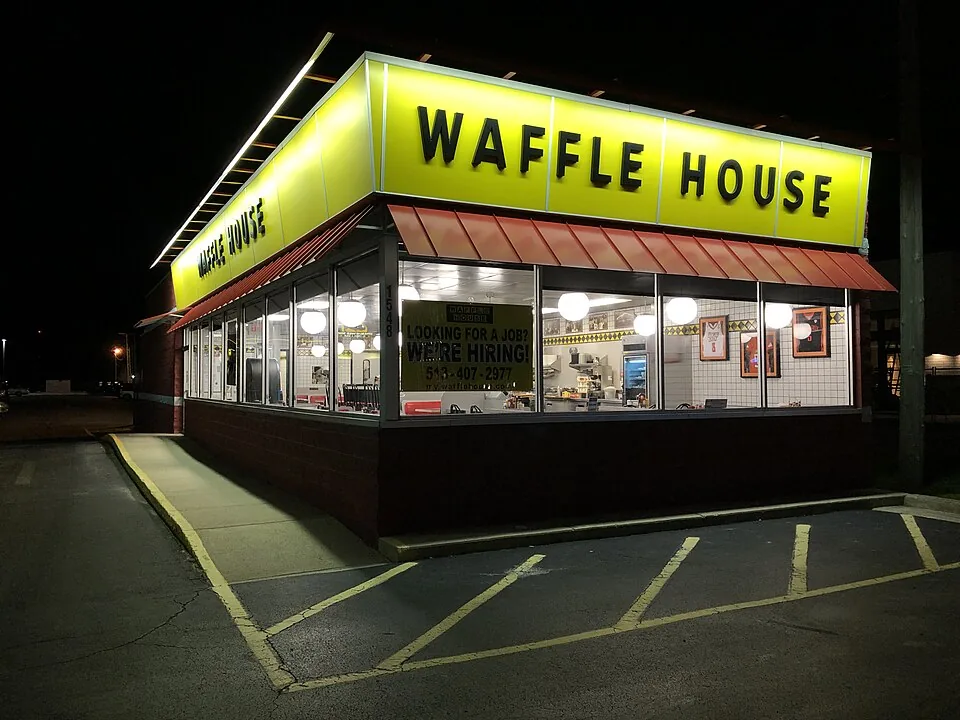
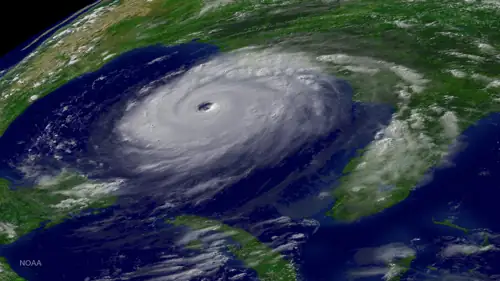
The Waffle House closed. In the American South, that is the real emergency alert, the one that makes grown men in Navarre, Florida, put their ducks in the bathroom. Hurricane Isaias slammed into the Gulf Coast on Friday night, the first Atlantic hurricane of 2026 and the first in more than 30 years to wait until October to show up.
Three Emergencies and a Very Late Arrival
Isaias made landfall along the northern Gulf Coast of Florida Friday night, carrying heavy rain, serious wind and the threat of what the National Hurricane Center called life-threatening storm surge. Up to nine feet of flooding was possible in some areas. Florida, Alabama and Georgia all declared states of emergency, per the BBC's reporting.
It has since been downgraded to a post-tropical cyclone and is grinding north across the Southeast. By Saturday morning the hurricane warnings were gone, but a storm surge warning remained for parts of Florida, along with tropical storm warnings in the state and in east Alabama. Downgraded does not mean harmless. It means the storm is merely less terrifying than it was a few hours ago.
The Season That Almost Didn't Happen
Here's the strange part. Isaias is the first hurricane of the Atlantic season, and it is the first time in more than 30 years that no hurricane formed until October. El Niño conditions in the Pacific suppressed the Atlantic season, which is the kind of thing that sounds like good news until you look at what El Niño is doing to the other coast.
Isaias is one of three storm systems hitting North America this weekend. Hurricane Simon is bearing down on Mexico's Pacific coast as a category one and is forecast to hit category four by Saturday, with landfall near Puerto Vallarta on Sunday, according to Reuters. Tropical Storm Rachel, a downgraded hurricane, is headed for the US-Mexico border, and high tides are already pushing water into southern California, where video shows several streets in Newport Beach underwater. The warm Pacific is fueling all of it. One ocean takes a nap, the other one throws a tantrum.
Lights Out Across the Southeast
Before the storm even made landfall, hundreds of thousands of people had lost power. By Saturday morning, PowerOutage.us showed more than 430,000 customers in the dark in Florida and nearly 300,000 in Alabama. Georgia, which was expected to feel the winds at a lesser intensity, already had about 40,000 outages.
That is roughly 770,000 households sitting in the dark, and the storm is still moving inland. Hurricane-force winds extended up to 35 miles from the center at Friday evening, with tropical storm-force winds reaching as far as 205 miles. The center is forecast to cross Alabama and push into the Tennessee Valley on Saturday and Sunday. Tornadoes are possible along the way.
Evacuate, Shelter, or Put the Ducks in the Bathroom
Florida and Alabama both ordered mandatory evacuations for thousands of people. Florida's orders covered coastal communities directly in the storm's path, and Senator Rick Scott posted a blunt message: "DO NOT WAIT! Get out NOW!" Alabama Governor Kay Ivey ordered all non-residents, tourists and visitors out of key counties. Coastal Florida residents also got an Extreme Wind Warning, which is the National Weather Service's way of saying the building you are standing in is a suggestion.
Not everyone left. John Guoth of Navarre told the BBC he and his wife are staying put even though the rest of his street cleared out. "It's a hurricane, we get them all the time," he said. He put his ducks and chickens in the bathroom and weighed down his boats and trailers so "nothing flips over." Pensacola's Brandin Ruth said locals have "seen bad storms before" but are bunkering up anyway: "You don't want to underestimate a storm like this."
The National Weather Service's Melissa Watson had a request for the holdouts. Have multiple ways to receive warnings, get to higher ground if you're near the coast, and "don't go out there trying to look for damage ... to post on social media." Stay inside. It's 2026, and a meteorologist has to ask people not to film a hurricane for engagement.
The Waffle House Index Never Lies
There is an informal measure of storm severity in the South, and it has nothing to do with the Saffir-Simpson scale. It's whether Waffle House closes. The chain is famous for staying open through nearly anything, so when it shuts the doors, people pay attention. On Friday, it did.
A spokesperson confirmed to the BBC that Waffle House had closed a number of locations in the storm's path and "will continue monitoring conditions." You can ignore a governor. You can ignore a senator. You cannot ignore the dark windows of a Waffle House.
Meanwhile, the President Changed His Weekend Plans
President Donald Trump said he will no longer attend a major college football game in Tuscaloosa, Alabama because of the hurricane. He is going to a rally in Tennessee instead.
In fairness, a president showing up for a football game in a state with a mandatory evacuation order would pull emergency resources away from the people actually in danger, so canceling is the defensible call. The rally in Tennessee, where the storm's remnants are headed next, is a different matter. We'll let the weather sort out the optics.
The Dingo Take
"Pretty much everything that can fly and will fly is battened down, and everything that cannot fly is really, really secured." That's John Guoth of Navarre, describing his personal hurricane prep, and it is the single most competent piece of emergency planning anyone has offered this week. Ducks in the bathroom, boats weighed down, nothing left to chance. Meanwhile the federal government's contribution so far is a president rerouting his weekend and a senator with a caps-lock key.
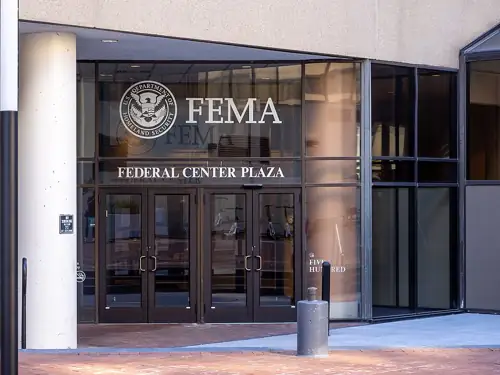
Look at what actually protected people here. Local officials ordered evacuations. A National Weather Service meteorologist begged people to stay off their phones and stay inside. A waffle chain turned out its lights. The system worked because ordinary people and local institutions did their jobs, and it keeps working only as long as they keep getting the support to do it. That is worth remembering the next time someone in Washington talks about trimming the agencies that forecast these things.
And pay attention to the bigger picture, because a hurricane season that sleeps until October while the Pacific throws two more storms at the continent is not normal. A first-hurricane date that late hasn't happened in more than 30 years. Isaias will blow through, the power will come back, and the ducks will leave the bathroom. The warm water that fed this weekend's chaos is not going anywhere.



Comments