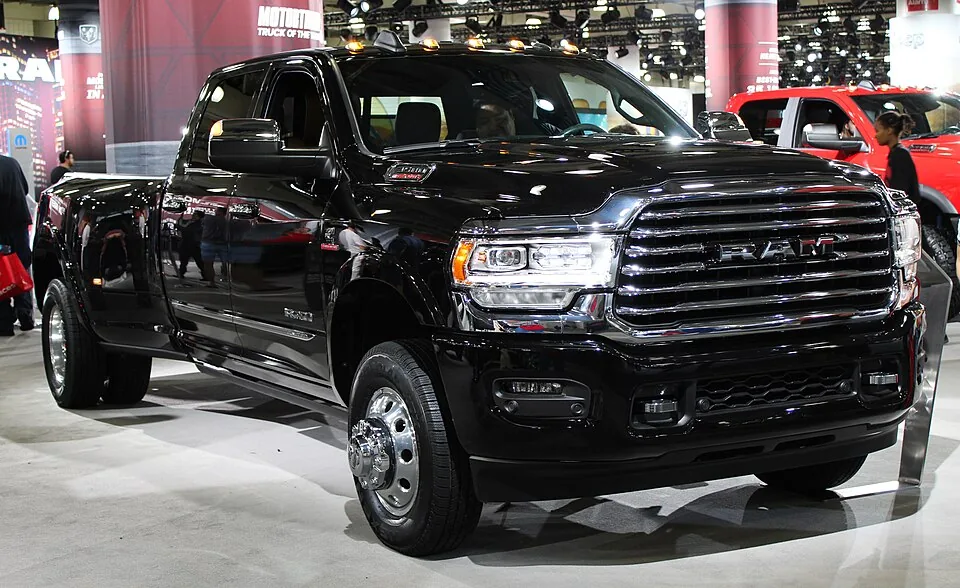
Diesel fuel is up more than 75% since the Iran war began in late winter, and the final inflation report before the midterms drops Wednesday morning. The administration's big idea for fixing it was cutting a deal with Vladimir Putin and easing sanctions on Russia to make it happen.
The Number That Powers Everything
Here is the headline fact from NBC News: inflation in America is being powered by diesel. The fuel that runs farm equipment and long-haul trucks has jumped more than 75% since the Iran war was launched. Economists say that cost trickles down into "just about everything," which is a polite way of saying the groceries, the packages, and the building supplies all got a surcharge.
The Bureau of Labor Statistics releases the September consumer price index at 8:30 a.m. Wednesday. Economists surveyed by Dow Jones expect annual inflation to rise to 3.7% from 3.4%. The monthly jump is projected at 0.6%, which would be one of the largest in years.
Oil has climbed to more than $105 a barrel from about $80 in August. Regular gas is still up more than 45% since late February. Nobody buying a tank of it needs a spreadsheet to feel that.
Trump Pulls Levers, Nothing Moves
The administration has not been idle, exactly. It pressured G7 allies to release more diesel stocks. It issued an order allowing more widespread use of tax-free diesel. And it announced a deal with Putin under which Russia would release some diesel supplies and loosen some export restrictions.
The Putin deal required Trump to ease some sanctions on Russia, which has drawn global backlash. So let's total the receipts: a war with Iran spikes the price of fuel, and the remedy is sanctions relief for Moscow. That is the kind of plot twist a screenwriter would get fired for pitching.
And none of it has made much of a dent. Several levers pulled, prices still climbing. The machine appears to be unplugged.
Your Paycheck Is Losing the Race
Wage growth sits at 3% as of September. It has not outpaced inflation since March. Six straight months of getting a raise that is really a pay cut with better branding.
Meanwhile, the CEOs of the biggest banks reported Tuesday that consumers keep spending at a steady pace. Jane Fraser of Citigroup said the global economy has "held up remarkably well in the U.S." Charlie Scharf of Wells Fargo said his customers are "doing well." Jamie Dimon of JPMorgan Chase credited "strong business investment and ongoing consumer spending."
Those are the people with the best view of the credit card data, so fine, people are still spending. But spending through the pain is not the same as being okay. A lot of households are just absorbing the hit and hoping someone fixes it before the bill comes due.
Airfare, iPhones, and the AI Memory Chip Panic
Diesel is the headliner, but it has a supporting cast. Airfare CPI is already up 23% from a year ago, according to Morgan Stanley's economists. Jet fuel is up 90% over the same stretch and typically makes up 20% to 30% of airline operating costs. Morgan Stanley figures airlines may already be approaching full pass-through of those costs to you, the person crammed in 31B.
Then there are iPhones. The latest model went on sale Sept. 12 with price increases mostly in the 10% to 14% range. Apple has about half of the U.S. smartphone market, so that nudges the national number up. The cause traces to the AI data center buildout, which set off a scramble for memory chips. Apple told NBC News in June it had "never seen a component price increase this much, this quickly."
Goldman Sachs also expects auto inflation to pick up, with used cars up 0.5%, new cars up 0.2%, and car insurance up 0.2%. Core inflation, which strips out food and energy, is expected to hit 2.5%, its highest since June.
The Fed Has Opinions, and Rate Hikes
The Federal Reserve has already raised interest rates once this year to fight inflation. UBS economists say Wednesday's data could determine whether the next hike is "imminent, or simply still ahead." A number of top Fed officials have spoken about raising rates even higher.
So the war raised fuel prices, the higher prices push the central bank toward making borrowing more expensive, and the people who were already squeezed get squeezed a second time. Everybody gets a turn at the vise.
Farm Country Is Not Feeling the Love
Diesel has hit agricultural states hardest. Kansas, Iowa, and Texas are long-time Republican strongholds, and in all three, Democrats are outperforming in Senate races on campaigns built around the high cost of living.
Early voting kicks off this week. Polls consistently show inflation and the cost of living are top issues for voters in both parties. Republicans are defending majorities in the House and the Senate, and the final pre-election inflation report lands at the worst possible moment for them.
The Dingo Take
The administration wants you to believe it is aggressively fighting high prices. The record shows diesel up 75%, oil at $105, gas up 45%, and every lever pulled so far has failed to make a dent. Fighting inflation, in this case, has meant easing sanctions on Russia so Putin can sell us back some of the fuel the Iran war made scarce. That is not a strategy. That is a hostage negotiation where the hostage is your grocery bill.
The war did not have to happen, and the pain is not abstract. It is the trucker who can't make the margins work, the farmer in Kansas staring at a fuel bill, and the family that got a 3% raise while everything got 3.7% more expensive. Every one of those people was promised cheaper everything by a man who now needs Moscow's help to keep the pumps from bleeding them dry.
Wednesday's number will be ugly, and voters will hold it up against the speeches. Republicans spent months insisting they had this under control. The report is about to say otherwise, in 8:30 a.m. Eastern time, no spin available.




Comments