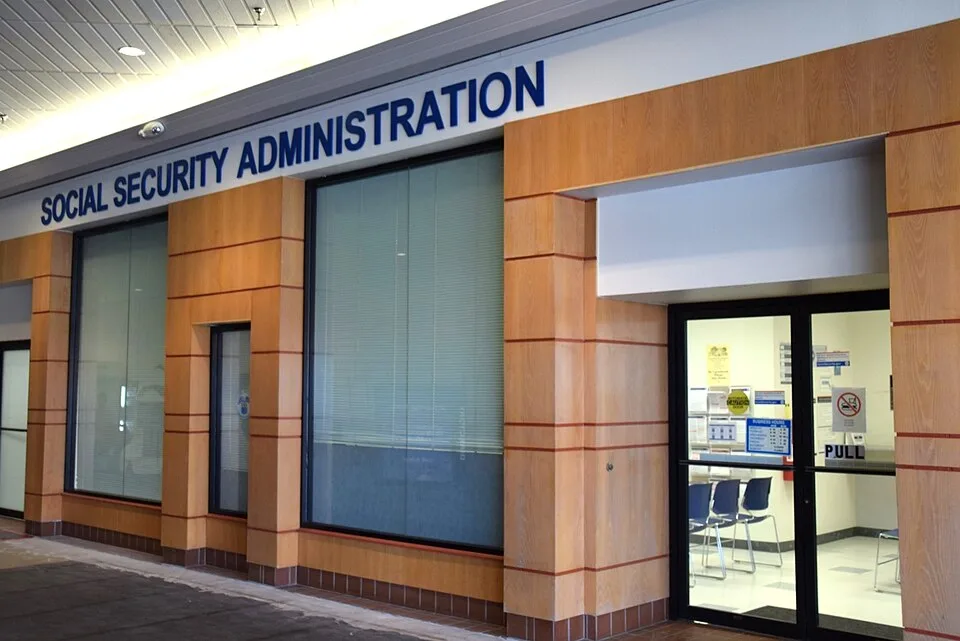
The Social Security Administration announced a 3.6% cost-of-living increase for 2027, the biggest in four years, and the Labor Department announced the same morning that inflation hit 3.7%. So the raise arrived already smaller than the problem it was meant to fix. Congratulations, America's retirees: you've been handed a bigger check to pay bills that got bigger faster.
The Raise That Lost Before It Started
Here are the numbers, per NPR and CBS News. Consumer prices in September were up 3.7% from a year earlier, a bigger annual jump than August, and up 0.6% in a single month. Hours later, Social Security announced its 2027 COLA of 3.6%. That works out to about $75 more a month for the average recipient, bringing the typical payment to roughly $2,170.
More than 75 million people will see that bump starting in January. About 7.3 million people on Supplemental Security Income will see it reflected starting December 31. It's the largest adjustment since 2022, which sounds like good news until you remember what happened in 2022.
Nancy Altman of Social Security Works put it plainly: the COLA is lagging September's inflation data. "People are getting crushed by prices," she said. Seniors don't need a victory lap. They need the check to cover the grocery bill.
Blame the War and the Tariffs
Why are prices climbing again? Mostly because of the U.S. war with Iran, which sent gasoline and diesel prices soaring. Heating oil, a close cousin of diesel, is up 74% over the past year. That is a special kind of cruel for families in New England who rely on it to keep the pipes from freezing. Winter is coming, and the bill is already here.
The war is not the only shock. Economist Brian Bethune of Boston College noted that every time prices start to level off, something new rattles the economy. Last time it was President Trump's double-digit tariffs. This time it's the Iran war. The artificial intelligence boom is also pushing up the cost of memory chips, which is why Apple raised the price of older iPhone models by $100 apiece last month.
So the pattern is a shock, a brief breath, then another shock. At some point it stops being bad luck and starts being the operating model.
Your Paycheck Is Losing the Race Too
Seniors are not alone here. Average wages rose just 3% in September, which means the typical worker's buying power has eroded over the last year. Prices are sprinting and paychecks are jogging.
"I'm working harder. I'm more productive. And this is not a square deal," Bethune said. He's right, and he's being polite about it.
Core inflation, which strips out volatile food and energy prices, came in at 2.6% in September, also higher than August. The Fed's target is 2%. So even if you could somehow ignore the gas pump and the grocery store, the problem would still be there, sitting in the corner with its arms crossed.
The Fed Is Starting to Sweat
Beth Hammack, who runs the Cleveland Federal Reserve Bank, told a group of economists this week about a Cleveland-area retailer who is raising prices not just to cover today's costs but tomorrow's. "This could be a sign that an inflationary mindset is taking hold," she said. "It can become a self-fulfilling prophecy that makes it harder for monetary policy to bring inflation back down."
Translation: when everyone expects prices to keep rising, everyone raises prices, and then prices keep rising. It's a hostage situation where the hostage is your wallet and the captors are everyone's expectations.
The Fed meets in two weeks, and investors now see roughly a 50-50 chance of a rate hike in October. That means the fix for a supply shock caused by a war and a tariff regime might be making borrowing more expensive for everyone. Fun.
The Formula Was Never Built for Old People
Here's the part that should make you angrier. The COLA is calculated using the Consumer Price Index for Urban Wage Earners and Clerical Workers, or CPI-W, using data from July through September. That index tracks what working people buy. Seniors are, famously, not working people.
Older Americans spend more on health care and prescription drugs, and they're more likely to pay rent and higher home energy costs. Those categories have historically outpaced overall inflation, though medical cost increases have slowed lately. Max Richtman of the National Committee to Preserve Social Security and Medicare wants Congress to switch to the CPI-E, an index built around seniors' real spending. Two bills, the Social Security Expansion Act and the Social Security 2100 Act, would do exactly that.
Shannon Benton of the Senior Citizens League says that reform is unlikely until Congress overhauls all of Social Security. Which brings us to the real horror movie.
Poverty Is Rising and the Cliff Is Coming
The poverty rate among seniors has crept up to 15.4% last year from 14.2% in 2022. Experts point to rising health care costs, lagging benefits, and thin retirement savings. According to the Senior Citizens League, about 44% of seniors draw all of their income from Social Security. AARP says one in five older Americans has no retirement savings at all.
The 2026 COLA was 2.8%, and 89% of older Americans in a league survey said that was inadequate. That adjustment has lagged the CPI for seven straight months. So this year's raise is partly a payment on a debt that seniors already racked up.
And then there's 2032. Social Security's trust fund is projected to become insolvent in six years. Unless lawmakers act, every recipient faces a benefit cut of more than 20%. Nobody in Washington seems to be in a hurry.
The Dingo Take
Who benefits from a COLA formula that tracks the spending of 25-year-old clerical workers instead of 75-year-old retirees? Not retirees. The answer is a government that gets to hand out smaller raises while calling them historic. Every year the formula undercounts what seniors actually pay for, and every year the gap quietly becomes someone else's savings.
Meanwhile, the administration that launched a war with Iran and slapped double-digit tariffs on imports gets to watch a Social Security announcement sell a 3.6% raise as good news. The war is pushing up energy prices. The tariffs are pushing up everything else. The AI boom is making your phone more expensive. And the people who spent 40 years paying into the system are told to be grateful for a bump that is smaller than the thing it's supposed to offset.
We get it. A raise is a raise. But the honest headline is that retirees will be a little less behind than they would have been, and that's the best Washington can offer. With a 20% cut looming in 2032 and nobody in Congress willing to touch it, "slightly less behind" is starting to sound like a campaign slogan.





Comments