
Donald Trump swore that starting on day one, he would end inflation and make America affordable again. Nearly two years later, the Federal Reserve is weighing another interest rate hike two weeks before the midterms, with prices heating up and the guy Trump handpicked to run the central bank about to give a speech in Bangkok at 11 p.m. New York time.
If you wanted a metaphor for the state of the American economy, a nervous nation staying up past bedtime to hear what a man says on the other side of the planet is pretty close.
A Speech Americans Will Stay Up Late For
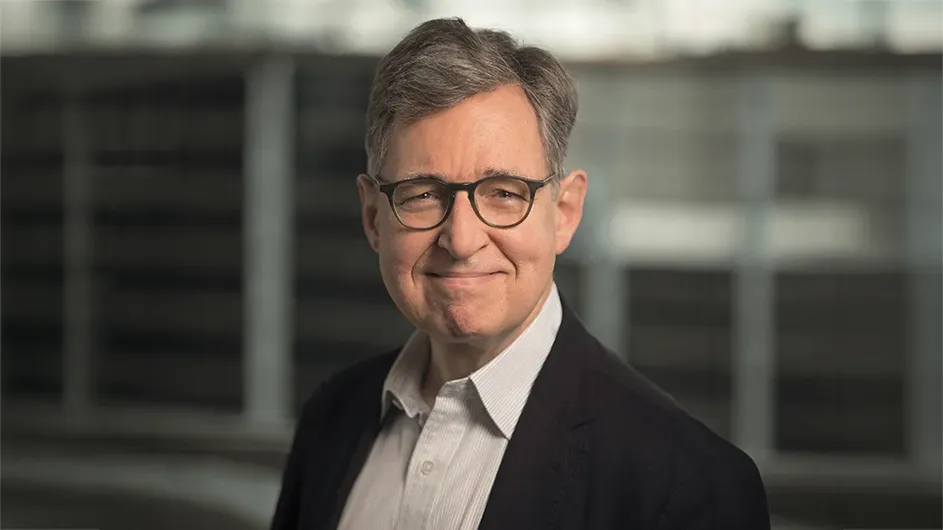
Fed Chairman Kevin Warsh takes the stage Friday morning in Bangkok at the annual meeting of the International Monetary Fund and the World Bank, where IMF Managing Director Kristalina Georgieva will interview him. That is after 11 p.m. Thursday in New York, and investors, economists, and politicians will be wide awake anyway, according to NBC News.
This is the last public word from any Fed official before the central bank enters its "blackout" period on Saturday. That quiet stretch runs through the next rate meeting on Oct. 27 and 28. After Friday, the Fed goes dark right as the question of a rate hike comes to a head.
Warsh has said repeatedly that he won't use speaking gigs to intentionally steer market expectations. Sure. Nobody on Wall Street will parse his every syllable like a Kremlinologist reading a May Day parade lineup. He may not be trying to send a signal, but his comments could still reveal whether the Fed hikes before or after the Nov. 3 elections.
Two Reports, One Very Bad Week
Two government reports this week showed inflation heating up for both consumers and businesses. That set off speculation about how soon the Fed will raise rates to cool down soaring prices.
Bank of America analysts wrote Wednesday that "broad based" inflation "strengthens the case for an October hike." Then they named the culprits: "AI and Iran." Those are the two key sources of inflation pressure, and neither one is likely to go away soon.
So the economy is being squeezed by an AI spending boom and a war. One of those was a choice. We'll get to which.
Day One Came and Went
Let's revisit the promise. On the 2024 campaign trail, Trump said: "Starting on day one, we will end inflation and make America affordable again." Easy. Done. Next question.
To be fair, inflation as measured by the consumer price index did fall as low as 2.3% four months into his term. Then, that same month, Trump unleashed a wave of tariffs across the globe. By September, inflation had breached 3% again.
Then came February, when Trump launched the war against Iran. That triggered one of the worst energy supply shocks in history. Inflation hit 4.1% in May and looks to be heading back there. Tariffs, then a war, then a price spike. It's a causal chain so clean you could put it on a poster.
Pulling Levers That Aren't Connected to Anything
American consumers are already getting hammered by soaring interest rates, rising energy prices, and stagnant wage growth. A fresh rate hike this month would pile more strain on top. Polls show voters are already unhappy with Trump's handling of the economy.
In recent weeks, Trump has tried pulling multiple policy levers to bring down gas and diesel prices, which have pushed inflation higher. None of them has slowed prices in any meaningful way. Think of a guy mashing buttons on an arcade machine that's unplugged, then blaming the machine.
For Republicans, a hike before Nov. 3 is a gift-wrapped campaign ad for the other side. They face the real possibility of losing their congressional majorities, and nothing says "vote for us" like a mortgage payment that keeps climbing.
The President Has Found a New Villain
Here is where it gets funny in the way a car fire is funny. Trump spent years hammering former Fed Chair Jerome Powell to cut rates. Since Warsh took over in May, the central bank has either held rates steady or raised them. Not one cut.
And Trump has not attacked Warsh. Instead, he has started calling the other members of the Fed's board "very hostile." In September, he told reporters: "I'm relying on Kevin, but he's got, you know, a very tough board. He's got a board that was put there by a lot of other people, and the interest rates are too high."
Notice the structure. The guy he picked is fine. The problem is everyone else. This is the economic equivalent of a manager who hired the new coach and now blames the roster for the losing streak. A hike this month would further undercut his yearslong pressure campaign to push the Fed into cutting, and it would happen with his own pick at the wheel.
The Dingo Take
Prices are up, rates may go up, and the person who promised to fix all of it on day one is now explaining that his own Fed chair has a tough board. Everything is proceeding as planned, apparently.
The tariffs came first. The Iran war came next, and with it one of the worst energy supply shocks in history. Both were choices, made by one man, with the economic consequences sitting in plain view of anyone who has ever bought gas or groceries. Now the Fed may have to clean it up with a rate hike that punishes the exact voters who were told this would be the affordable era.
And the midterms are two weeks away. Warsh says he's not trying to steer the market, and maybe that's true. But whatever he says in Bangkok, Americans will feel the answer at the pump and on the credit card statement long before they hear it in a speech.


Comments