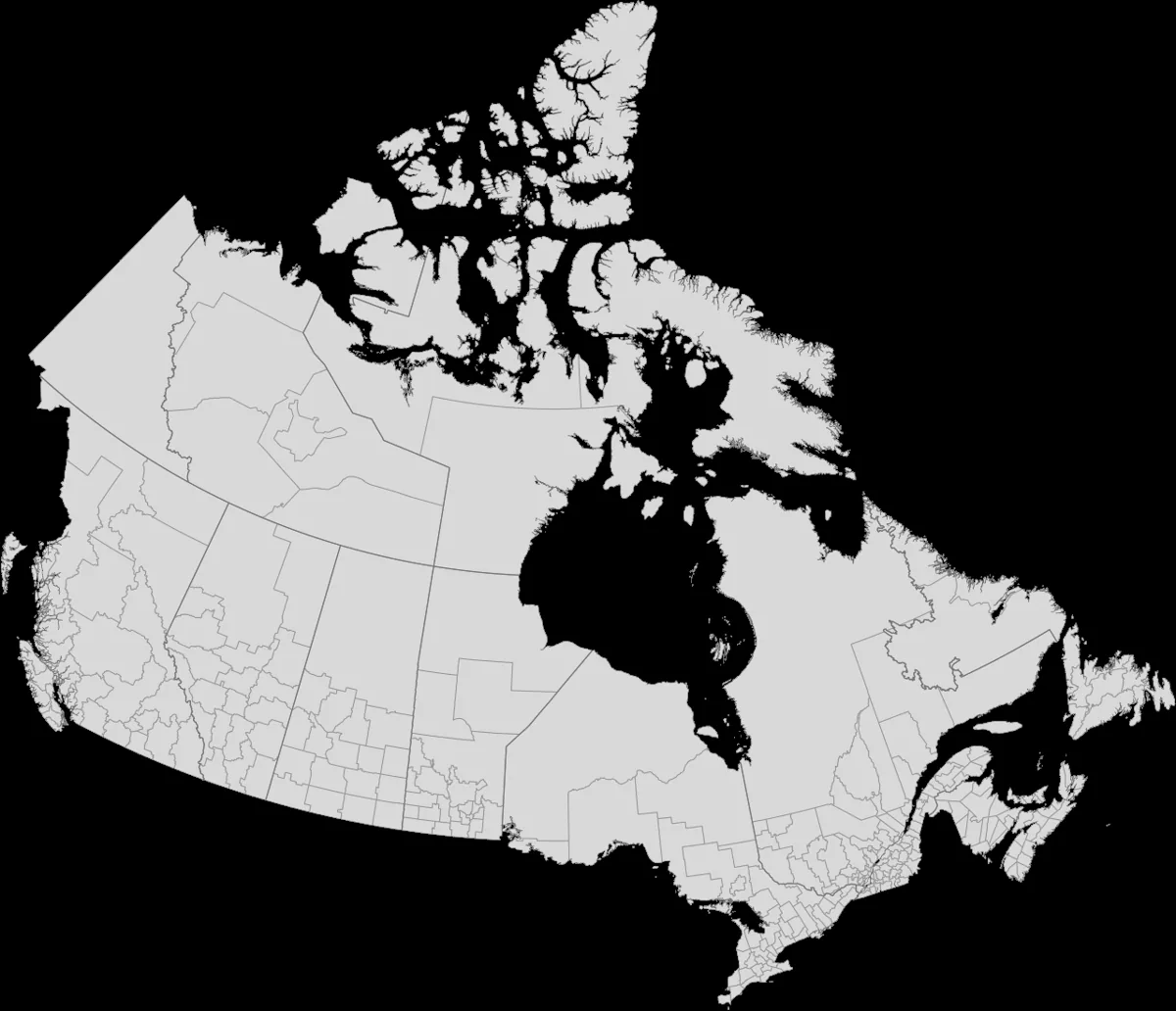
Four Canadian service members are dead and 39 people are still hospitalized, at least 19 of them in critical condition, after a fire tore through a training area at Canadian Forces Base Wainwright in Alberta. The Defense Minister says he cannot recall anything like it in recent memory. The cause is unknown, the investigation is, in his words, "very, very active and delicate," and the province is scheduled to vote within days on starting a process that could lead to independence.
What We Know About the Wainwright Fire
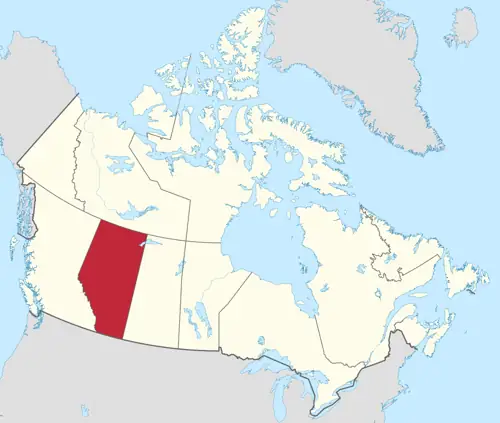
Prime Minister Mark Carney announced on Sunday that four service members were killed and dozens more seriously injured in the fire at CFB Wainwright, about 112 miles southeast of Edmonton. The Associated Press, via NPR, reported that Carney described it as one of the worst peacetime tragedies for Canada's military on domestic soil. That is not a phrase a prime minister reaches for lightly.
The RCMP said officers were called shortly after 4 p.m. Saturday after reports of a fire in a training area on the base. By 11 p.m., the Municipal District of Wainwright said the fire was being held and that property and critical infrastructure were protected. No evacuation order was issued for residents.
The Canadian Armed Forces said it would not release casualty figures until relatives had been notified, and that "the full extent of the impact remains under assessment." Carney said the families of those killed had been told. Flags are going to half-staff on federal buildings across the country.
A Small Town Hospital Meets a Mass Casualty Event
Wainwright has about 7,000 residents. Its hospital was not built for this, and Mayor Bruce Pugh said as much while praising the local medical staff who stepped up anyway. At least 10 ambulances were parked in and around the health center late Saturday while paramedics and soldiers rushed between them.
Patients were flown and driven out to four hospitals across Alberta. Premier Danielle Smith said 39 were still hospitalized as of Sunday, at least 19 in critical condition, and some with severe burns that could mean weeks or months of intensive treatment. Hospitals across the province activated a "Code Orange," the designation for multiple severely injured patients needing coordinated care. Acute Care Alberta said ambulances in the Edmonton area were stretched so thin that extremely few were available, and asked people to avoid the University of Alberta Hospital emergency department if possible.
Dr. Warren Thirsk, an emergency physician at Edmonton's Royal Alexandra Hospital, told CBC News that this many patients "would overwhelm the city of Edmonton." He called it "a one in every 15 to 25-year disaster." Facilities near the base, he said, had become "completely overwhelmed."
Wind, Flames, and a Fire That Would Not Stay Put
Firefighters were not working with good conditions. A windstorm hit large parts of Alberta on Saturday with gusts up to 100 kilometers per hour, about 62 miles per hour. It knocked over trees, sent signs flying, and rolled garbage cans down streets. The Associated Press reported that the fierce winds whipped flames beyond the base and into the surrounding rural area.
That detail matters. A fire inside a military training area is one kind of emergency. A fire that jumps the fence line in a hurricane-force wind is another, and it is a miracle the town itself was not ordered out. Officials say the blaze was held by late Saturday night.
Saskatchewan Premier Scott Moe said his province was sending assistance to Alberta, though he did not say what was being deployed. Wainwright itself pitched in with hospital and firefighting support, which is a lot to ask of a community that size.
The Question Nobody Has Answered Yet
Here is the part that should make everyone uneasy. Neither Carney nor Smith provided details about what caused the fire. The Canadian military said Sunday there were no indications the incident was the result of terrorism, but the cause remains under investigation. Defense Minister David McGuinty confirmed the RCMP are involved and said the situation was "very, very active and delicate," soon to be "an active and delicate investigation."
CFB Wainwright is one of Canada's busiest training bases. It houses the Canadian Manoeuvre Training Centre, which runs realistic battlefield exercises, and the 3rd Canadian Division Training Centre. Soldiers go there to prepare for combat operations. Four of them did not come home from a training area in their own country.
McGuinty was traveling to Edmonton on Sunday for a briefing, and Carney said he had requested a detailed formal account from senior officials on the ground. "We will have more to say in the coming hours and days," McGuinty said. People are waiting for that.
Families, Politicians, and the Timing From Hell
The human stories are already surfacing. Cathy Keane, a mayoral candidate in Ontario, wrote on Facebook that her eldest son was among the critically injured. "As a mother, right now I need to be with my son and family," she wrote, saying she was traveling to Alberta. There are dozens more families in some version of that exact car ride right now.
The political response, for once, has been what it should be. Conservative leader Pierre Poilievre said he spoke with Carney and McGuinty to offer support, and posted, "Pray for Wainwright, everyone," urging locals to follow emergency instructions and keep roads clear for first responders. Smith thanked first responders and said she and Carney were in close contact.
Then there is the calendar. CBS News noted that the fire came days before Alberta is set to vote on beginning a process that could lead to its seeking independence from Canada. Nobody has suggested a connection, and nothing in the reporting supports one. But a province about to debate whether it wants to remain part of the country is now burying soldiers who serve that country, on its soil, and the federal and provincial governments are suddenly working shoulder to shoulder in a crisis.
The Dingo Take
Officials keep calling this an "incident." Four people are dead, 19 are critically injured, a province's hospital system is in Code Orange, and the word on the podium is "incident." The Defense Minister himself says he can't recall anything like it in recent memory, which is the opposite of an incident. That is a catastrophe with a cause nobody will name yet.
To be fair, "we don't know yet" is the correct answer on day two, and nobody should be speculating about a cause the military hasn't established. What we do know is ugly enough. Soldiers died doing training exercises on a base in their own country. Burn victims face months of treatment. A mother is driving to a hospital to sit beside her critically injured son. Whatever the investigation finds, those families are owed answers that are specific and fast, not a string of "delicate" and "active."
As for the vote, keep it separate. Alberta's independence referendum and this fire are not connected by anything in the reporting, and anyone who tries to staple them together this week is exploiting dead soldiers for a talking point. Let the investigators work. Let the families grieve. Then demand to know what burned, why it spread, and who is accountable. In that order.


Comments