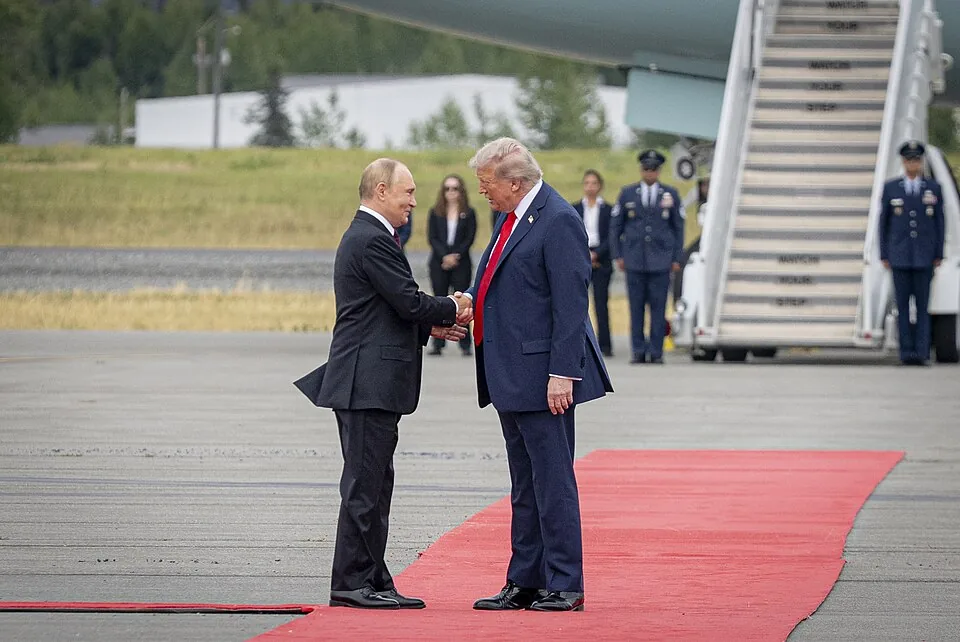
Ukraine just launched what appears to be its biggest drone attack on Saint Petersburg since Russia invaded in 2022, and the American president's reaction is to worry about Russian oil terminals. That's because Trump cut a deal with Vladimir Putin to import Russian diesel, all so gas prices look nicer before November. Meanwhile, the midterms are on track to cost more than $15 billion, and France is dealing with the kind of unrest that makes an American Monday look almost restful.
A Drone Swarm Over Putin's Hometown
Let's start with the facts, because they're doing most of the work today. A major Ukrainian drone strike hit Saint Petersburg on Sunday, killing at least one person and injuring more than a dozen, according to NPR News. The targets included strategic sites and a key port oil terminal.
NPR's Charles Maynes says it appears to be the largest attack on the city since the invasion began. Russia's Defense Ministry claims it intercepted 1,000 drones across various regions that night. One thousand. In one night. Whatever you think of that number, it tells you where this war has gone.
Over the weekend, Russian missile strikes in Ukraine killed at least 11 people. So that's the balance sheet: Russia keeps killing Ukrainians, and Ukraine keeps hitting the infrastructure that pays for it.
The Diesel Deal Nobody Asked For
Here's where it gets ugly. Trump appears to be working to protect Russian oil facilities after striking a deal with Putin to import Russian diesel. The goal, per Maynes, was lowering gas prices for American voters ahead of the midterms.
Read that again. The president of the United States made an energy arrangement with the man running the invasion of Ukraine, and now treats Ukrainian strikes on that man's oil infrastructure as a problem for American voters. Trump has called earlier Ukrainian strikes a "disgrace." He did not, as far as the reporting shows, use that word for the Russian missiles that killed at least 11 people in Ukraine this weekend.
Trump also says relieving pressure on Russia is the best way to end the war. That's a theory. It's the theory a guy has when he's already decided who he's rooting for.
Blaming Zelenskyy for a Mess Trump Made
The best part is the blame. Trump faults Volodymyr Zelenskyy for attacks that allegedly raise U.S. fuel prices. The economists NPR cites disagree. They attribute the price increase mainly to Trump's war in Iran.
So the pitch to American drivers goes like this: gas is expensive because Ukraine is hitting Russian oil, and also we should ease up on Russia to fix it. The actual cause, a war the administration started in Iran, gets quietly left off the slide.
It's a masterpiece of political engineering. Start a war, watch prices climb, then blame the country being invaded by someone else. Somewhere in a Mar-a-Lago back room, a person is calling that strategy.
The Most Expensive Election in American History
Now the money. More than $15 billion has been raised to influence the 2026 midterms and control of Congress, making this the most expensive midterm cycle on record. That's real money chasing a lot of unhappy voters.
Democratic nominees in House and Senate races are hauling in huge donations, even though the Democratic Party itself remains unpopular, NPR's Stephen Fowler says. Republicans are unpopular too, largely because of the Iran war, gas prices and the economy. In the 13 competitive races on the Cook Political Report's list, Republicans are being outraised 5 to 1.
Megadonors like Elon Musk are pouring money into super PACs to push voters toward Republicans anyway. Currently, 75 percent of planned ad buys are in toss-up races or those leaning Republican. Both sides are spending like they can smell the outcome, which suggests Democrats might actually have a shot in several places.
France Is Not Having a Good Weekend
Across the Atlantic, French President Emmanuel Macron is condemning weekend violence that he says has overshadowed largely peaceful protests. What started as a student protest over conditions has swelled to include public-sector workers angry about energy prices, the cost of living and inequality.
The Interior Ministry reports about 2,300 arrests and nearly 1,000 injured police officers. NPR's Eleanor Beardsley, on the streets of Paris, saw burned bikes, shattered glass and looted stores tagged with graffiti reading "tax the rich." Twenty-three-year-old Sarah Berlia told her this is a frustrated generation facing dwindling rights and opportunities.
Politics is now baked in, with a presidential election six months out. Far-left candidate Jean-Luc Mélenchon has joined the protesters. Marine Le Pen, the far-right leader who is leading in the polls, is condemning both the violence and the government. When the angry left and the angry right are both circling the same president, that president has a problem.
The Dingo Take
"Relieving pressure on Russia is the best way to end the war." That's the president's position, and you have to admire the sheer confidence of a man who looks at a country that invaded its neighbor, bombs apartment blocks, and now sells him diesel, and concludes the real problem is that Ukraine keeps swinging back. Pressure on the aggressor is bad. Pressure on the victim is fine. Got it.
Strip away the diplomacy language and here's what's left. The administration started a war in Iran. Gas got expensive. Instead of owning that, Trump cut a deal with Putin to bring in Russian fuel and then got upset when Ukraine threatened the supply. American voters are being asked to believe their pump prices are Zelenskyy's fault, when the economists say they're not. It's a con with a flag pin on it.
Here's the thing about the $15 billion and the 5-to-1 fundraising gap: money can't fix a message this bad. You can outspend everyone, buy every ad slot in a toss-up district, and Elon Musk can write checks until his hand cramps. If your central economic argument is that you traded with Putin to save a few cents a gallon, you'd better hope the voters never read past the headline. We read past the headline. So should they.


Comments