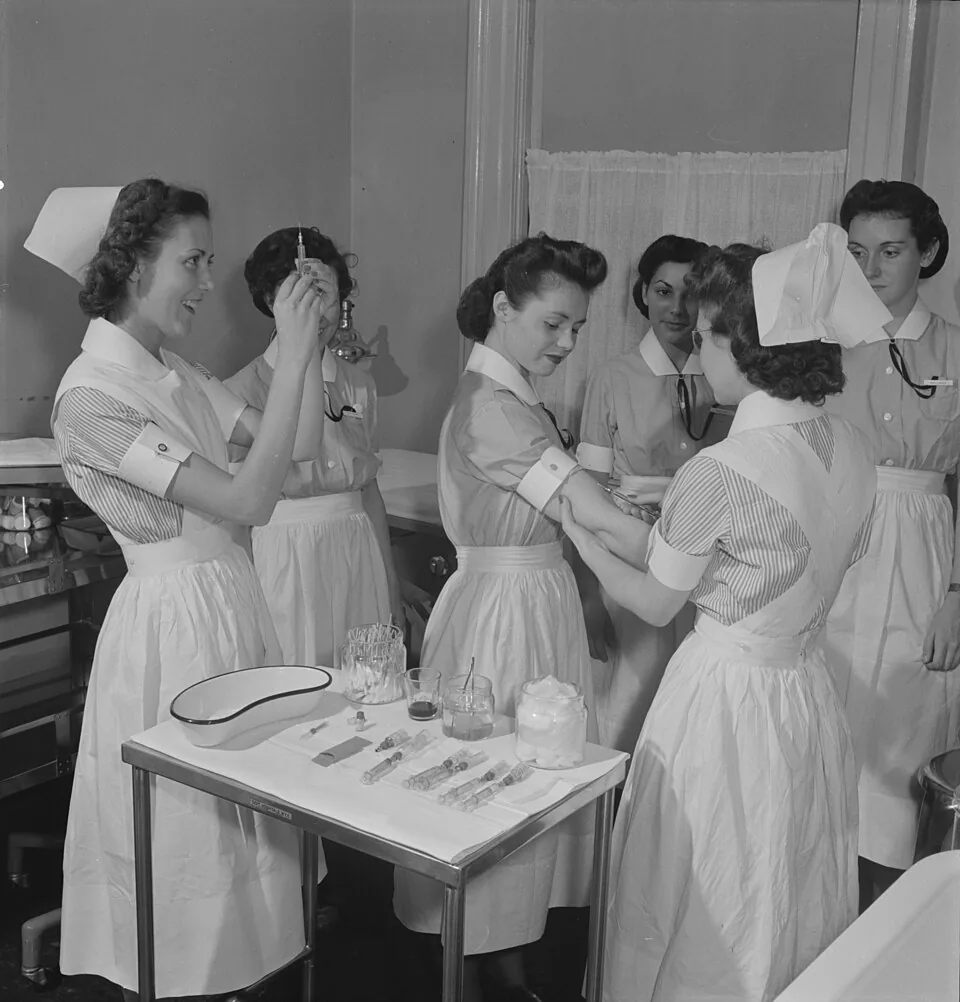
Five months ago, a group of nurses in Pittsburgh decided the richest country in human history could manage to let new parents stay home with their babies without losing a paycheck. Then they went and made it happen. The Allegheny County Council voted 11 to 4 on Tuesday night to pass 12 weeks of paid parental leave, the first county-level policy of its kind in the nation.
From Mother's Day Launch to Council Victory
The campaign started on Mother's Day, May 10, which is either excellent branding or a cosmic joke about how this country treats mothers. Nurses at UPMC Magee-Womens Hospital, who are in the middle of negotiating a union contract, teamed up with working parents, advocates and a few elected leaders to draft a proposal for paid leave in Allegheny County. The 19th first told the story, and Goodgoodgood picked it up.
Five months later, the council chamber was packed. Supporters spent hours testifying about giving birth with no paid leave to lean on. One mother described a stillbirth at 41 weeks. Her husband took three weeks off to take care of her, and he had no paternity leave to do it with. "You just don't know how you're going to survive another second, let alone trying to work," she told the council.
Council Vice President John Palmiere admitted he'd had doubts about where he'd land. The stories moved him. He voted yes. When the final tally came in, the room erupted in applause and shouts of "thank you!" That's what it sounds like when a legislative body actually listens to people, and it's so rare now that it nearly needs a content warning.
What the Policy Actually Does
Here are the specifics. Both birthing and non-birthing parents get three months of paid leave within the first year of childbirth, adoption, foster placement or a stillbirth. Jobs and health benefits are protected during the leave. To qualify, you need to be a full-time employee for at least six months, or a part-time worker with at least 625 logged hours.
All businesses with 15 or more employees have to offer the benefit. Smaller employers are exempt. The original proposal asked for 18 weeks and got scaled back to 12, which is the kind of compromise that still beats what 49 states' worth of workers had on Monday.
Note the inclusion of adoption, foster placement and stillbirth. A lot of leave policies quietly forget that families form in more than one way and sometimes end in grief. This one doesn't.
The NICU Nurse Who Starts Every Call With "Everything Is OK"
Jean Stone works in the neonatal intensive care unit at Magee. She knows what it means to live in a country with no paid parental leave because she watches it play out constantly. Once babies stabilize in the NICU, parents often go back to work to save whatever leave they have left for when the baby comes home.
So Stone calls them in the middle of their workday to give updates. She opens every call with the same four words: "Everything is OK." Then she watches them walk in after work, faces full of relief. "They carry that weight of not being there," she said.
Think about that for a second. A nurse has to preface her phone calls with reassurance because the parents of a critically ill newborn are sitting at a desk somewhere, terrified, because the alternative is losing income. That isn't a family values country. That's a hostage situation with a W-2.
Why This Is Also a Maternal Health Fight
The nurses aren't only arguing about convenience. Severe maternal morbidity in Allegheny County, meaning unexpected outcomes after labor and delivery like hemorrhage or sepsis, rose 55 percent from 2016 to 2022. Black women face even worse outcomes.
Marchel Robinson, a registered nurse at Magee, laid it out at a Labor Day parade in Pittsburgh. She cares for mothers recovering from complicated C-sections, postpartum preeclampsia, infections and more. "My patients don't choose these complications," she said. "They shouldn't have to choose between healing, caring for their newborn and keeping a paycheck."
Stone also frames it as a retention issue. Nurses are a workforce that is nearly 90 percent women, and they're leaving healthcare in droves. Coworkers come back too early to a physically and emotionally brutal job, spend 13 hours away from their babies, and then step into easier roles or quit altogether. A hospital system short on nurses and a county with rising maternal complications should be able to do that math.
A Workaround for a Missing Federal Policy
The United States is the only industrialized nation without a federal paid leave policy. Workers here get unpaid leave through the Family and Medical Leave Act and that's it. In the absence of anything national, 14 states and Washington, D.C., have built their own programs over the past 20 years. Pennsylvania is not one of them.
Allegheny County did something different. State programs usually run through a social insurance fund that employers and employees pay into. Allegheny's policy puts the burden on most employers to fund the benefit directly. That was the piece that drew the most pushback, and it's the piece that makes this model unusual. It also opens the door for other counties to try the same thing.
A statewide bill already has some bipartisan support. It passed the Pennsylvania House before stalling in the Senate last legislative session. Stone is hopeful that Allegheny's win creates momentum. A county of ordinary people just did the thing the state keeps dithering over.
How a Union Drive Turned Into a Movement
The origin story is almost too tidy. A year ago, nurses, nurse practitioners and lactation consultants at Magee organized to form a union. They put out a public survey asking the community what would improve patient care and maternal health. More than a thousand responses came in.
The survey never asked about paid leave. People wrote it in anyway, in what Stone called "astonishing numbers." The nurses were already planning to push for paid parental leave in their own contract, since they only got two weeks at the time. Finding out the community wanted the same thing was, in her words, "kind of beautiful."
That's the whole lesson, really. Workers organized, listened to their neighbors, and discovered that the thing they needed was the thing everyone needed. Then they showed up and made a county council vote on it.
The Dingo Take
Opponents and a certain breed of cautious pundit will tell you that a county-level paid leave mandate is a patchwork, a burden on employers, a policy that belongs at the state or federal level. The facts say otherwise. The state Senate sat on a bill that already passed the House. Washington has had decades to act and has delivered unpaid leave and a shrug. The nurses didn't pick the county because it was ideal. They picked it because it was the only door anyone left unlocked.
And look at what the pushback was really about: making employers pay. That's the part that got scaled back, from 18 weeks to 12, with a carve-out for businesses under 15 employees. Fine. Compromise is how things pass. But let's be honest that the objection was never that parents don't deserve time with newborns. It's that somebody has to write the check, and for 20 years the answer in this country has been that nobody does and families eat the cost. A mother with a stillbirth shouldn't be doing payroll math from a hospital bed.
Here's the part that should embarrass everyone with a bigger title than Jean Stone. A NICU nurse started this on Mother's Day, got a thousand strangers to back her, and won a council vote in five months. Congress couldn't do it in a lifetime. Fourteen states did it slowly, and 36 haven't. If a hospital unit in Pittsburgh can out-legislate the United States government with a union drive and a survey, maybe the problem was never that this is hard. Maybe it's that the people with the power to do it just don't have to call parents in the middle of the day and tell them everything is OK.




Comments