Two years before a 3-year-old boy died in a roach-infested house in Ozark, Missouri, doctors at a Kansas City children's hospital found a tumor on his adrenal gland, told his guardians to come back for follow-ups, and never saw him again. Police say his mother and the woman the family called his "grammy" are now charged with murder in a death that a treatable cancer should never have caused.
What the First Responders Found
Police arrived at the home in Ozark on July 31 after the boy's mother reported he was unresponsive. According to court papers obtained by NBC News, he was already "obviously deceased and beyond the help of life-saving measures."
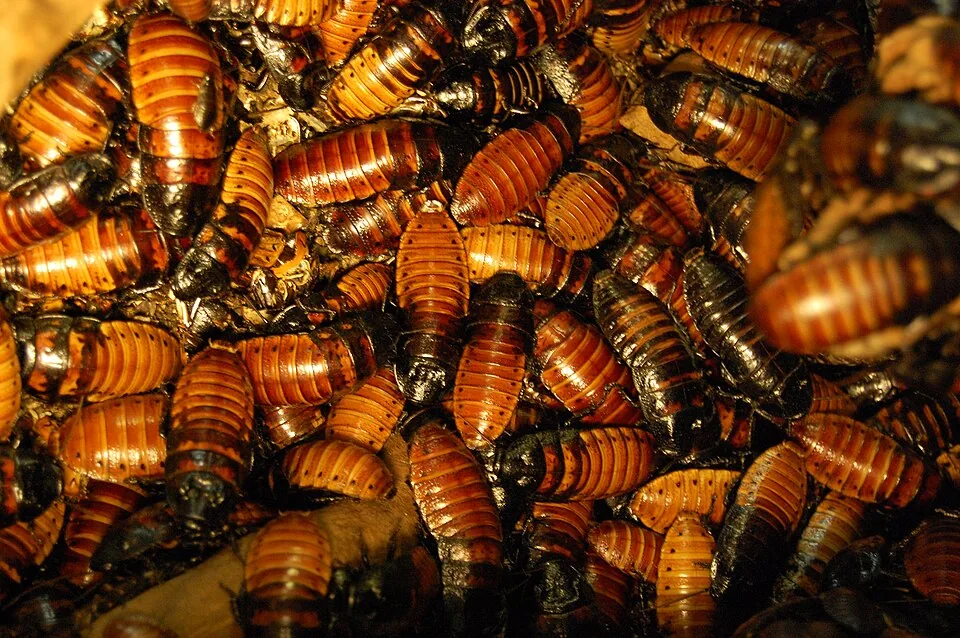
He was emaciated. He was wearing a dirty diaper. There were roaches crawling on his bony right hand. His body was covered in bumps that officers first assumed were bruises.
The house around him was in the same condition. Responders described "rotting food, insect infestation, animal feces and urine, extreme clutter and trash around the home." Read that list again and then remember that other children lived there too.
A Cancer With a Promising Survival Rate
Here is the detail that should make your stomach drop. The boy had been diagnosed with neuroblastoma, a rare cancer of a child's nerve cells, at Children's Mercy Hospital in Kansas City. Doctors found a tumor on his adrenal gland. Neuroblastoma has a promising survival rate when it is treated.
When it is treated. That is the whole ballgame. According to the police account, the boy was never taken back for the follow-ups the doctors recommended. Not once, apparently, in the two years before he died.
The autopsy showed what two years of nothing looks like. Tumors had spread throughout his small body, including his forehead and torso. Those bumps the officers took for bruises were, in all likelihood, the cancer itself.
The Charges Against Mom and Grammy
A felony complaint filed in Christian County last Thursday charges the boy's mother, Destiny Schliefert, with second-degree murder, abuse or neglect of a child, endangering the welfare of a child, and animal neglect. She is not eligible for bond.
Debbie Sue Potter, another woman who lived in the house and allegedly looked after the victim and the other children, faces the same set of charges and is also being held without bail. The obituary and court records both refer to Potter as the boy's "grammy." It was not immediately clear whether either woman has a lawyer, and the Children's Mercy spokesperson had not responded to NBC News by publication.
Second-degree murder is a serious charge to bring in a neglect case, and prosecutors will have to prove it. Charges are allegations, not convictions. But the allegations here are specific, documented in a probable cause statement, and they come with an autopsy.
The Excuses, Itemized
Schliefert allegedly gave detectives a litany of reasons she did not take the boy to the hospital in the days before he died. One was insurance. She said child Medicaid coverage had lapsed and only kicked in again shortly before his death. Another was "anxiety," which she said kept her from getting help for him.
The insurance excuse runs into a problem. Children's Mercy offers financial assistance for families who are uninsured or cannot afford treatment. And a lapse in coverage in the final days does not explain two years of missed follow-up appointments after a tumor diagnosis.
Anxiety is real, and it is a genuine barrier for plenty of people. It does not explain a house full of rot and feces, a toddler wasting away, or a decision to wait while cancer spread to his forehead.
The Obituary That Described a Different Kid
The funeral home's announcement is the part that sticks. It said the boy cherished time with his siblings. It said he loved "PAW Patrol," coloring, and crafts. It said "His favorite thing to do was go to the races on the weekends with his family," and called him the "lil troublemaker of the family."
Maybe that is all true. Maybe he did love the races. A kid can be loved and failed at the same time, and the obituary is how a family grieves in public. But it reads very differently set against the probable cause statement, in which officers found him dead, skeletal, and covered in roaches.
He was three. He liked PAW Patrol. A hospital found his cancer, and the people responsible for him allegedly let it kill him.
The Dingo Take
"Lil troublemaker of the family." That was the funeral home's send-off, written about a boy whom police say wasted away in a filthy diaper while a curable cancer spread to his forehead. Somebody typed that sentence with a straight face, and it should haunt every adult who read the court filing next to it.
The legal system will do its job now, and the two women charged are entitled to their day in court. But a case like this raises a question the courts cannot answer. Doctors found this tumor two years ago. A hospital knew. The boy was supposedly on Medicaid. Other children lived in that house, in that squalor, and nobody with a badge or a clipboard apparently noticed until a 911 call came in for a dead toddler. Kids in homes like this do not usually vanish from every system at once, and yet this one apparently did.
Nobody should pretend a safety net alone saves a child whose own guardians refuse to use it. Sometimes the failure belongs squarely to the adults in the house. But when a kid with a treatable cancer dies roach-covered and starved in a home full of siblings, "how did nobody see this" is a question worth asking loudly, and the answer should make people uncomfortable. He was three years old. He deserved a lot better than a nice obituary.





Comments