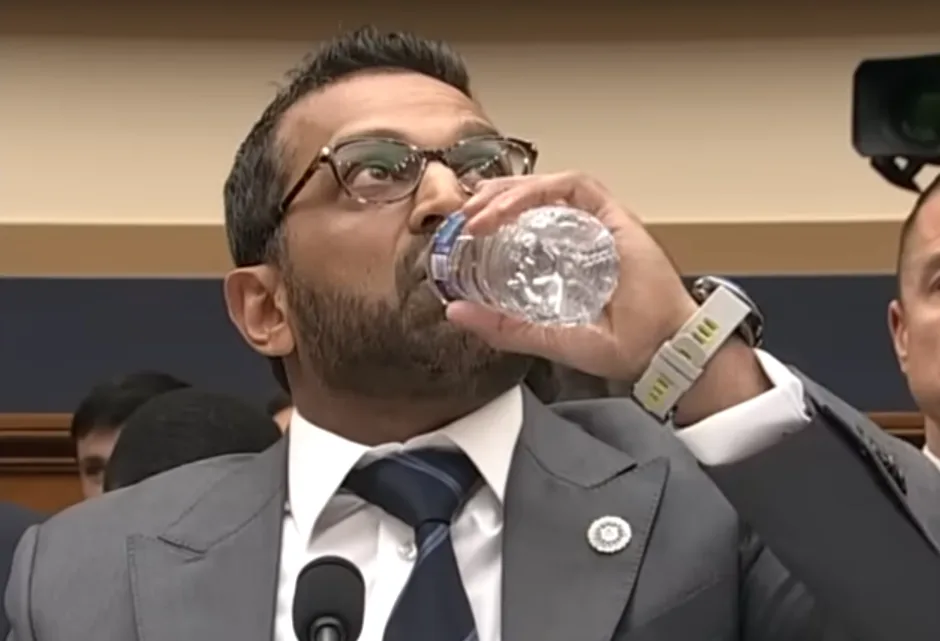
The director of the Federal Bureau of Investigation may have violated federal law and his own agency's disciplinary code so he could post a brag tweet faster. According to The Guardian, Kash Patel publicly disclosed details of a sealed court case involving an alleged terrorist plot against a White House UFC event while agents were still in the field hunting additional suspects. He did it on social media. Before breakfast.
What Actually Happened at UFC 250
On June 14, a UFC fight was held at the White House. Two days later, at some point in the early morning hours, Patel fired off a tweet announcing that five men suspected of plotting a drone-and-explosives attack on the event had been "stopped cold." He praised "the rapid action of the FBI, our partners, and the Department of Justice in a multi-state operation." It read like a press release from someone who very much wanted you to know he was the hero of this story.
The problem, as The Guardian reports, citing several law enforcement officials involved in the case, was that the investigation was sealed by a court order at the time Patel hit send. Under US federal law, there is a general prohibition on publicly disclosing details of sealed cases without formal court authorization. Exceptions exist, but you have to actually get that authorization first. Patel apparently did not.
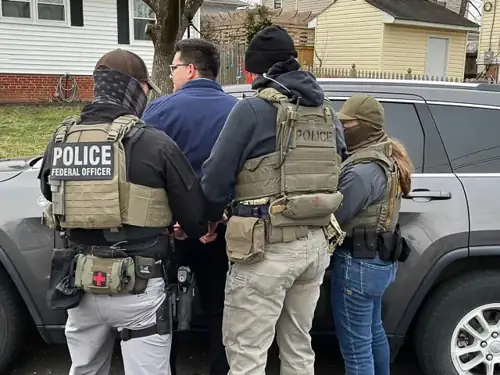
Agents were still actively searching for additional suspects when their director was crafting his victory lap. Since then, seven more men have been arrested in connection with the alleged plot, according to the Justice Department, which formally announced the arrests hours after Patel's post. The FBI's official position is that nothing was compromised. The FBI veterans who talked to The Guardian have a different view.
The Secret Service Basically Called Him an Idiot Without Saying His Name
Matt Quinn, the deputy director of the Secret Service, did not name Kash Patel when he spoke to journalists after the tweet went out. He didn't have to. "I'll tell you a phrase I learned early in my career in the New York field office," Quinn said, "and that's 'Don't choke on your own smoke.'" That is a remarkably disciplined burn delivered with remarkable discipline.
Quinn then made clear who actually ran the investigation. "The Secret Service led that investigation from the beginning," he said. "I'll tell you that case is ongoing. In order to maintain the integrity of the investigation and the security plan, we chose not to leak it." The Guardian published this. Read it again slowly. The deputy director of the Secret Service went on record to explain to the FBI director what investigations are and why you don't tweet about them while they're happening.
FBI Veterans Are Not Being Subtle About What This Means
Lauren Anderson spent 29 years at the FBI, including time overseeing counterterrorism investigations domestically and abroad. She served under Robert Mueller. The Guardian spoke with her at length, and she was not in a mood to be diplomatic.
Anderson said current and former agents told her directly that Patel was more focused on extracting tweetable details from ongoing investigations than on the investigations themselves. "When he does want to get involved, he's demanding updates at a rate that is inconsistent with being able to continue with the investigation," she told The Guardian. "He has repeatedly said in these calls, 'We have to get something out on social media, let's craft what my tweet should look like,' rather than focusing on the substantive developments in the investigation."
Let that sit for a second. The director of the FBI is reportedly getting on calls with senior agents and asking them to help him write tweets. She described his conduct on these calls as having "bordered on being unprofessional." From a 29-year counterterrorism veteran, that is essentially screaming.
On the legal exposure side, Anderson told The Guardian the sealed-case violation is genuinely serious. "Theoretically, the court could issue sanctions. They could ensure contempt citations. It's a very serious thing." She also made clear that any other FBI employee who pulled the same stunt would face suspension, termination, or both. "Never mind on social media," she said, "but to share it with a local or state law enforcement official who wasn't immediately involved with the case, that would have brought anything from a reprimand to a full investigation."
This Is Apparently Just How He Operates
The Guardian notes this is not an isolated incident but a pattern. FBI insiders describe Patel as consistently fixated on which investigation details he can pull out and broadcast publicly. The appetite is not for outcomes or justice or the actual safety of Americans. It's for content.
This matters because the FBI director's job requires the trust of every law enforcement agency the bureau works with. When your director has a documented habit of blowing sealed cases on Twitter for clout, other agencies stop telling you things. The Secret Service's very public, very pointed response to this incident is a preview of what that erosion looks like in real time. You don't take a shot at the FBI director in a press statement unless the relationship has already taken real damage.
Patel has denied every misconduct allegation that has come his way since taking the job, and The Guardian notes there have been quite a few of them. The FBI told The Guardian flatly that "any suggestion the investigation was compromised is totally false" and that "no subjects or charges were identified prior to unsealing." Whether a court agrees with that framing is, for now, an open question.
The Dingo Take
Here's the thing about this story that should make your eye twitch: Kash Patel previously cited a sealed court order as the reason the FBI couldn't release its Jeffrey Epstein files. Sealed court orders, in that case, meant the public didn't get information Patel didn't want to give them. In this case, a sealed court order meant nothing at all, because the information made him look good and he wanted to tweet it. The principle, apparently, is not the principle. The principle is whatever is convenient for Kash Patel at 6 a.m. on any given Tuesday.
What we have here is the director of the most powerful law enforcement agency in the country running the bureau like a personal PR account. Senior agents are being asked, on calls, to help craft tweet language. An active terrorism investigation with additional suspects still at large got burned so the director could get his post out before the Justice Department made the formal announcement. The Secret Service had to publicly tell the FBI director to stop choking on his own smoke. This is the state of things.
The FBI's official denial is that nothing was compromised and eight arrests have been made. Fine. Maybe the investigation survives this intact. But the question isn't just whether the suspects got away. The question is whether the director of the FBI is willing to violate federal law and tank ongoing operations because he can't wait to see his name on social media. FBI veterans with three decades of experience think the answer is yes. The Secret Service thinks the answer is yes. Every current senior agent who got on one of those calls and heard "let's craft what my tweet should look like" knows the answer is yes. At what point does someone with actual authority over this man ask the same question out loud?


Comments