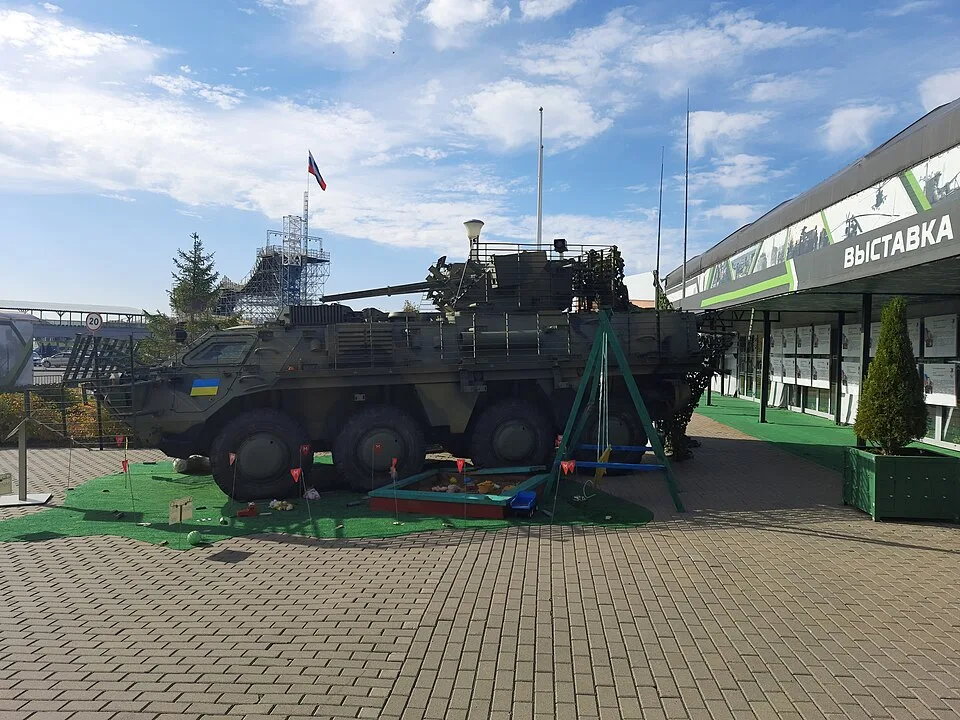
Moscow residents scrambled for cover as explosions rang out and what witnesses described as 'black rain' fell over the city. This is not a metaphor. This is Tuesday in 2026, and Ukraine is systematically lighting Russia on fire from the inside out.
Black Rain Over Moscow
According to Axios, at least one Ukrainian strike on a Russian oil refinery was close enough to Moscow that residents heard the blasts and reported black particulate rain falling from the sky. Let that image sit for a second. The capital city of a nuclear-armed nation that launched a full-scale invasion of its neighbor is now the kind of place where people look up and wonder if the sky is supposed to be that color.
This is not a one-off incident. Axios reports that Russian oil facilities, weapons factories, military convoys, and bombers have all been targeted in a sustained campaign that is making fewer and fewer locations inside Russia feel genuinely safe. Ukraine has turned the idea of a protected Russian home front into a polite fiction.
Zelensky's Theory of the Case
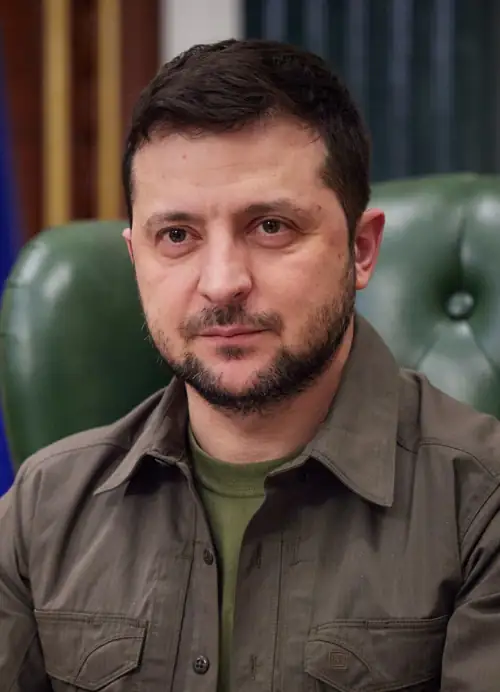
Ukrainian President Volodymyr Zelensky has a pretty clear explanation for how this is working, and Axios reports he has been saying it out loud. Russia, according to Zelensky, relocated the bulk of its air defense systems to protect what it cares about most: central Moscow and at least one presidential residence. That decision, logical as it might have seemed at the time, left a significant portion of Russian territory exposed.
It is the classic problem of trying to defend everything while having finite resources. You pull your coverage toward the things you absolutely cannot afford to lose, and in doing so you tell your enemy exactly where the gaps are. Ukraine, it seems, has taken careful notes.
Russia's Fuel Problem Is Getting Serious
The strategic impact of all this is not just symbolic. Axios reports that Russia is facing genuine fuel shortages as a direct result of the repeated refinery strikes. A military that is fighting a large-scale ground war needs fuel the way the rest of us need oxygen. Tanks, aircraft, logistics convoys, armored vehicles: every single piece of that machine runs on the product that Ukraine keeps blowing up at the source.
Fuel shortages do not just inconvenience a military. They shape what that military can and cannot do. They force commanders to make ugly choices about where to prioritize supply. They slow things down, create bottlenecks, and introduce the kind of logistical chaos that tends to compound over time. Ukraine is not just striking targets. It is squeezing a system.
The Psychological Dimension
There is a dimension to this campaign that goes beyond the physical damage, and it would be a mistake to underestimate it. When ordinary Muscovites are ducking for cover and watching black smoke drift over their city, that is a message being sent to a domestic audience that Vladimir Putin has worked very hard to insulate from the realities of the war he started.
For years, Russian state media has served up a version of this conflict in which Russia is winning, the costs are manageable, and the action is happening somewhere far away to someone else. Explosions you can hear from your apartment window are harder to spin. 'Black rain' is not a phrase that fits neatly into a victory narrative.
What 'Operational Freedom' Actually Looks Like
The framing Axios uses is worth sitting with: Ukraine is proving it can blow up pretty much whatever it wants inside Russia. That is a remarkable sentence to be writing more than four years into a war that began with predictions that Kyiv would fall within days.
Ukraine has managed to develop and deploy a drone program capable of reaching deep into Russian territory, identifying high-value targets, and striking them repeatedly with enough consistency to cause measurable economic and military damage. Whatever you think about the arc of this war, the range and ambition of Ukraine's strike capability in 2026 represents something that would have seemed like a fantasy in February 2022.
The Dingo Take
Here is what is genuinely strange about the moment we are in. Russia invaded Ukraine with the apparent expectation that it would be a short, decisive campaign. What it got instead was a prolonged war of attrition that has now circled back to bite it on its own territory. Refineries are burning. Fuel is running short. Moscow residents are getting an involuntary taste of what it feels like when the war stops being an abstraction on a map.
Putin made a calculation in February 2022 that Ukraine would fold and the West would blink. Neither thing happened. What happened instead is that Ukraine got weapons, got training, got resourceful, and got very good at finding the gaps in Russian defenses. The black rain over Moscow is not just a dramatic image. It is the physical consequence of that original, catastrophic miscalculation.
None of this means the war is over or that Ukraine is winning in any clean, final sense. Wars this brutal and this complicated do not resolve neatly. But the idea that Russia could launch this invasion and keep its own population safely insulated from the consequences is clearly, visibly, audibly falling apart. The explosions are close enough to hear. The rain is black. And Zelensky is still standing.



Comments