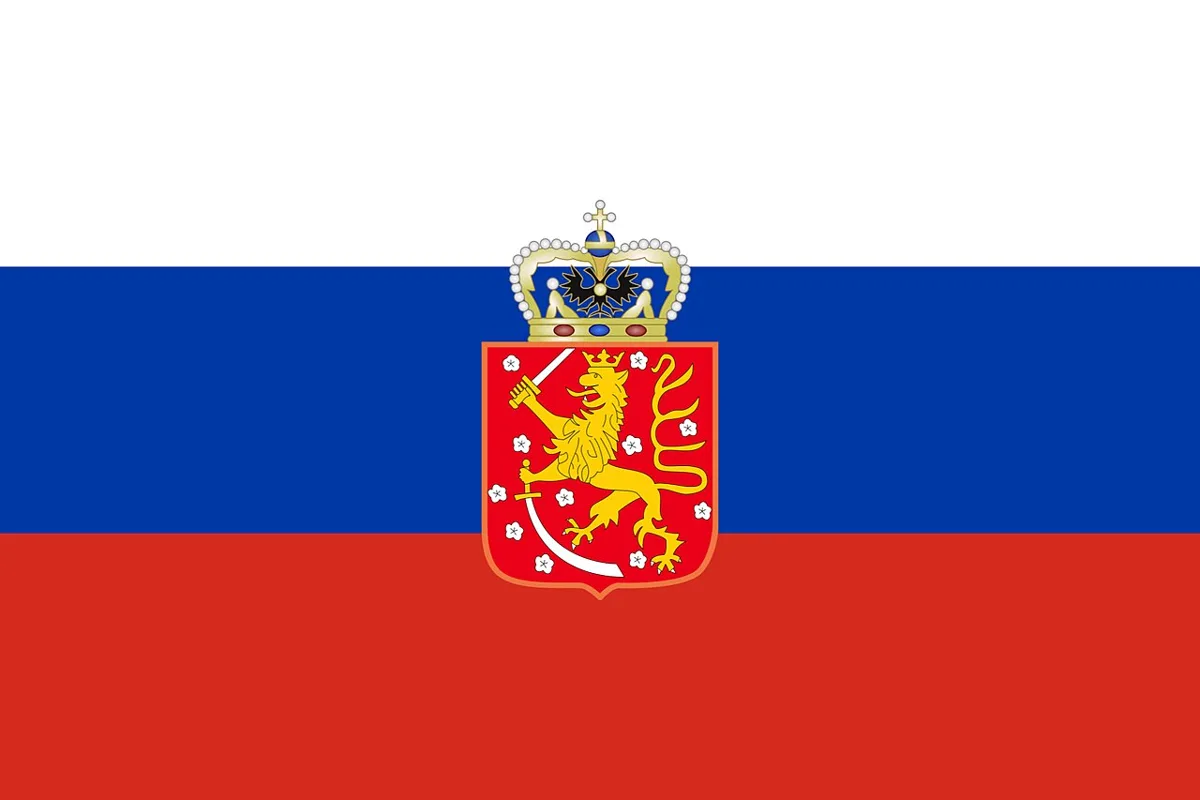
The International Olympic Committee announced Tuesday that it is lifting Russia's suspension and clearing the path for Russian athletes to compete at the 2028 Los Angeles Games, because nothing says "we stand with Ukraine" like eventually letting the country actively bombing Ukrainian civilians back into the world's biggest sporting event. Russia has been at war with Ukraine since February 2022. The war is still happening. The IOC would like everyone to please enjoy the opening ceremonies.
What the IOC Actually Did
According to NPR, the IOC advised Olympic sports bodies on Tuesday to end the three-year vetting program that had required Russian athletes to apply for neutral status before competing in qualifying events. That program had been the main mechanism keeping most Russian athletes out of Olympic competition since the full-scale invasion of Ukraine began.
The IOC also confirmed it is provisionally lifting its suspension of the Russian Olympic Committee, which had been imposed back in October 2023. Why was the Russian Olympic Committee suspended in the first place? Because it incorporated regional sports councils from Ukrainian territories that Russia had illegally seized. The IOC now says those suspension terms "no longer apply." The territories are still occupied. Russia is still occupying them. The IOC has simply decided to stop caring about that particular detail.
One thing the IOC did not do: approve Russian athletes competing under the Russian flag and anthem. That decision will come, the committee said, at "an appropriate time." So Russia gets the reinstatement now and the flag later, like some kind of geopolitical layaway plan.
The Numbers Tell the Story
Here is the gap between what Russia was and what Russia became under sanctions. At the 2021 Tokyo Olympics, Russia sent more than 300 athletes and won 71 medals. At the 2024 Paris Games, just 32 Russian and Belarusian athletes were permitted to compete as approved neutrals, and between them they won five medals.
The IOC is framing this rollback as a measured, conditions-based process. But the conditions being lifted were directly tied to Russia's conduct during a war that has killed tens of thousands of people and displaced millions more. The war did not end. The conditions just got quietly retired.
Belarus, Russia's military ally that has actively facilitated the invasion of Ukraine, was already given similar treatment two months ago when the IOC advised that Belarusian athletes should be allowed to compete with their full national identity again. So that's two countries that helped launch an illegal war against a neighbor, both welcomed back ahead of a Games being held in the United States of America, in Los Angeles, in 2028.
The IOC's Solidarity Statement Doing a Lot of Heavy Lifting
The IOC released a statement after its executive board meeting that said, and this is real, "The IOC stands in solidarity with the Olympic community of Ukraine, which the Olympic movement has supported since the beginning of the war, and will continue to do so."
Right after announcing Russia's reinstatement.
In the same statement.
The IOC also specified that it will "not organize IOC events in Russia or invite Russian government or state officials to its events." So Russian government officials are still persona non grata at the Games. Russian athletes, however, are apparently a different matter, which is a distinction that requires you to believe sports and politics exist in entirely separate universes, a position the IOC has held for decades with remarkable consistency and remarkable failure.
The Doping Problem That Hasn't Gone Away
The IOC said that in order to "address the lack of confidence in the global sporting community relating to the return of Russian athletes to international competition," those athletes must submit to multiple doping controls and participate in a recognized testing program before they can compete.
This is the IOC acknowledging, in its own careful bureaucratic language, that Russian state-sponsored doping remains a legitimate concern. Russia was caught running a systematic, state-backed doping program at the 2014 Sochi Olympics, on its home soil, using a hole in the wall to swap contaminated urine samples. The McLaren Report documented it in exhaustive detail. The World Anti-Doping Agency confirmed it. Russia denied it, then kind of acknowledged it, then went back to denying it.
So yes, enhanced doping controls are better than nothing. But the IOC has been burned by Russia on this issue before, badly, and it is now betting that a testing requirement is sufficient to restore trust. The global sporting community's "lack of confidence" the IOC mentions is not abstract anxiety. It is the direct result of documented, systematic cheating at the highest level.
What Comes Next
The next Olympic competition is the 2026 Youth Summer Games in Dakar, Senegal, opening October 31, which will serve as an early indicator of how this reinstatement plays out in practice. The 2028 Los Angeles Games are the main event, and qualifying is already underway across multiple sports.
The flag and anthem question is the one with the most symbolic weight, and the IOC has kicked it down the road deliberately. Competing without a flag worked as a partial face-saving measure for critics of the reinstatement at Paris. Bringing the Russian flag back into an American Olympic venue in 2028 is a different political calculation entirely, particularly given the current state of US-Russia relations, the ongoing war, and the fact that the Games will be held in a city that, last time anyone checked, is in a country that has sent billions of dollars in military aid to Ukraine.
The IOC will insist this is about athletes, not governments. They always do. Whether the athletes competing represent their government is a philosophical question the IOC is congenitally unable to answer honestly.
The Dingo Take
Let's be clear about what happened here. Russia launched a full-scale invasion of a neighboring country in February 2022. That country, Ukraine, has been fighting for its existence for over four years. The International Olympic Committee, after brief deliberation and some neutral-status paperwork, has decided that Russia's athletes should be welcomed back to the world stage ahead of the 2028 Games in Los Angeles. The war is ongoing. The occupied territories are still occupied. The IOC has concluded that enough time has passed.
The IOC is not a government. It cannot end wars or impose sanctions. But it can decide what it is willing to use as a lever, and for a brief, unusual moment in 2022, it used Olympic access as one. Now it is giving that back, incrementally, while the bombs are still falling, while Ukrainian athletes are training in a country under active attack, while the Ukrainian Olympic Committee watches this executive board statement roll in with its boilerplate solidarity language stapled to the reinstatement announcement like a participation ribbon.
The 2028 Games are in Los Angeles. Russia will be there. The flag question is TBD. The war question is apparently no longer the IOC's department. Someone should tell Ukraine.


Comments