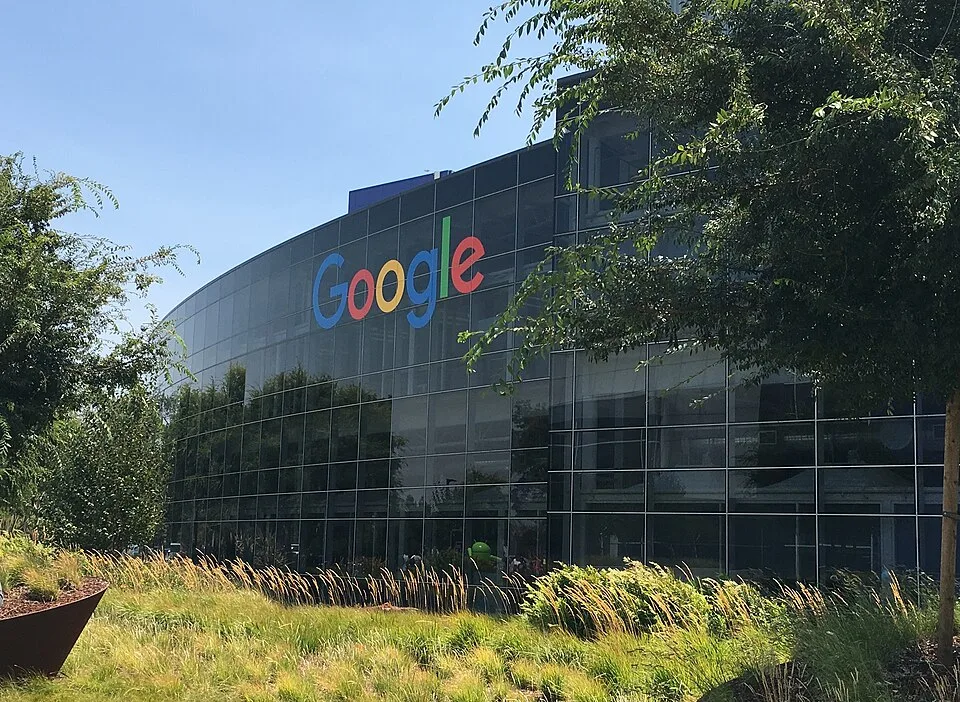
The European Commission looked at the White House's very loud warnings to stop fining American tech companies and responded with a $1 billion fine against Google. Timing is everything. So is not blinking.
What Google Actually Did Wrong
According to Axios, the European Commission hit Google with the roughly $1 billion penalty Thursday over two separate but equally ugly behaviors. First, Google was rigging its own search results to kneecap competitors. Second, it was blocking app developers from pointing their own customers toward cheaper deals available outside the Play store.
Think about that second one for a second. A developer builds an app, lists it in Google's store, and Google then prevents that developer from telling users that they could pay less somewhere else. That is not a platform. That is a toll booth with walls around it.
The fine itself is only half the story. The commission also ordered Google to overhaul how it ranks rivals in search, which, depending on how aggressively that gets enforced, could matter a lot more than the check Google has to write.
The Timing Was Not an Accident
The European Commission did not pick this date by throwing a dart at a calendar. Axios reports the fine landed one day before the White House was expected to roll out a new round of tariffs. That is not a coincidence. That is a message.
U.S. Trade Representative Jamieson Greer had already issued a public warning to the EU: stop fining American tech companies. The EU's response was to schedule a billion-dollar fine against one of the most prominent American tech companies on earth and announce it the afternoon before the tariff deadline. Whatever you think about the EU's antitrust enforcement record, you have to respect the commitment to the bit.
This is what a genuine standoff looks like. Not tweets. Not press releases. One side threatens tariffs, the other side fines Google a billion dollars before breakfast. Greer's warning apparently landed with all the force of a strongly worded Yelp review.
The White House Is Going to Lose Its Mind
The Trump administration has made protecting American tech companies from foreign regulators a stated priority. Greer's warning to the EU was explicit and public, which makes this fine a direct and very deliberate slap in the face.
Expect the response to be loud. The question is whether loud translates into anything that actually changes the EU's behavior. The European Commission has been fining Google for the better part of a decade at this point, across multiple administrations, multiple threats, and multiple rounds of diplomatic pressure. They have not stopped. There is no particular reason to believe a new tariff threat will be the thing that finally does it.
Also worth keeping in mind: Google is not exactly blameless here. The behaviors the commission cited, search manipulation and blocking developers from steering users to better deals, are the kinds of things that antitrust regulators in the United States have also been looking at. The EU is not inventing a fantasy.
What Google Has to Actually Fix
The fine is the headline number, but the structural order attached to it is the part that could sting longer. Axios reports the commission ordered Google to change how it ranks rivals in search results. That is a behavioral remedy, not just a financial one, and behavioral remedies are notoriously hard to comply with and even harder to verify.
Google has been down this road before. The company has received multiple major EU antitrust fines over the years, including billions in penalties related to Android and its shopping comparison service. Each time, it negotiated the compliance terms, implemented changes the commission variously accepted or rejected, and continued to dominate the markets in question. The EU has a long history of winning the fine and then watching Google win everything else.
Whether this round produces a different result depends almost entirely on how aggressively the commission pushes enforcement. Writing a check is easy when you are Google. Actually ceding market advantage is a different animal entirely.
The Dingo Take
Here is what is genuinely funny about this situation. The Trump administration warned the EU, in public, with its chest puffed out, to lay off American tech companies. And the EU's response was to announce a billion-dollar Google fine twenty-four hours before Trump's next tariff drop, as if to say, we heard you, we just do not care. That takes a certain kind of institutional backbone that honestly deserves acknowledgment, regardless of how you feel about European regulatory overreach.
The more complicated truth is that Google's behavior here is not exactly sympathetic. Manipulating search rankings to hurt competitors and trapping developers inside a store where they cannot even mention that cheaper options exist somewhere else, these are not innovations. They are the moves of a company that stopped competing and started controlling. The EU is not hallucinating these problems. American regulators have been circling the same territory for years.
What we are really watching is two power centers using a legitimate antitrust case as ammunition in a much bigger economic fight. The EU wants leverage. The White House wants to protect its tech industry from foreign penalties it sees as discriminatory taxation in disguise. Google is a prop in a geopolitical argument. And somewhere in all of this, actual market competition remains thoroughly, comprehensively crushed.




Comments