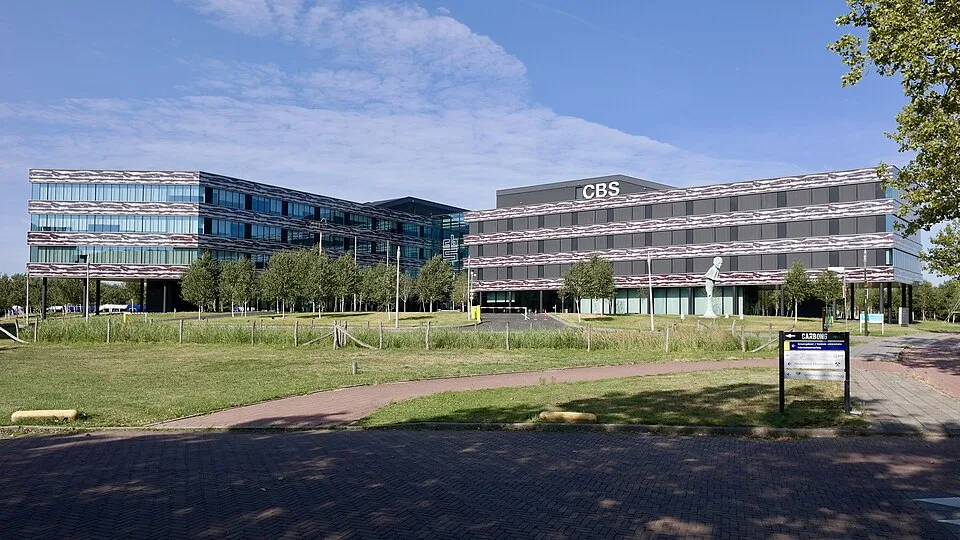
A fired CBS News correspondent just told a room full of journalists that her bosses asked her to include footage of protesters attacking ICE agents in a story about a deadly immigration raid. The footage did not exist. That's not a metaphor or a misunderstanding. They asked her to use footage that wasn't real.
What Vega Actually Said
Cecilia Vega made the remarks Thursday at the National Association of Hispanic Journalists conference in New Orleans, in an onstage interview with ABC's John Quiñones. Status first reported the comments, and the New York Times confirmed her quotes.
"I've gone head-to-head with editors for 25 years in this business," Vega said. "But never in my career, until now, have I felt that those edits, that those suggestions, came from a place of misinformation or politics."
That's a sentence worth reading twice. Twenty-five years in the business. Never felt it before. Felt it now. She's not describing editorial disagreements over tone or pacing. She's describing something categorically different.
The Specific Incidents Are Damning
Here is what Vega described, as reported by MS Now and The Guardian. While wrapping a segment on federal immigration operations in Minnesota, during which ICE agents fatally shot two American citizens, she was instructed to include footage of protesters attacking ICE agents. She was told this footage existed. It did not.
She was also questioned on why she hadn't interviewed JD Vance for a piece about poverty in West Virginia. The story was about the Trump administration cutting SNAP benefits. Apparently the correct journalistic approach, per CBS management, was to ask the Vice President to weigh in on hunger.
And she was asked to report that Minneapolis Mayor Jacob Frey had called on local police to fight federal immigration agents. No evidence of any such comments existed. MS Now reported that detail too. The request was: please report something the mayor did not say.
Who Is Running CBS News Now, Exactly
The short answer is Bari Weiss, appointed editor-in-chief of CBS News last October by Paramount CEO David Ellison, a Trump ally. Weiss came from founding The Free Press, a media startup acquired by Paramount, and built her public profile around criticizing liberal institutions and what she calls cancel culture. She has no background in broadcast news whatsoever.
This is the person now overseeing 60 Minutes. One of the most storied news programs in American television history, a show that broke Watergate stories and held presidents accountable across five decades, now has an editor-in-chief whose main qualification is being ideologically useful to the network's new ownership.
Weiss already drew heat late last year when, as The Guardian reported, she delayed a finished segment about the U.S. deporting hundreds of Venezuelans to a notorious El Salvador prison. The segment's own correspondent, Sharyn Alfonsi, publicly called the delay "a political one."
The Firings Have Been Relentless
Vega was let go this spring. When she left, she put out a statement that used words like "censorship" and "dangerous for democracy." CBS responded that her claims were "not based in reality." Now she's saying them again, on a stage, with her name attached, in front of an auditorium of journalists.
She wasn't the only one. Veteran correspondent Scott Pelley confronted Weiss directly in a staff meeting, accusing her of "murdering" the show. "She does not love this place," Pelley said, according to The Guardian. "She was brought in to kill it and is doing exactly that." Pelley was fired after that meeting.
When you fire the person who accuses you of killing something, you don't exactly disprove the accusation.
CBS's Response, Which Is Almost Funny
When Vega made similar allegations in May upon her firing, a CBS spokesperson told her that her claims were "not based in reality." The Guardian reached out to CBS for comment on Thursday's conference remarks. They did not respond.
So we have, on one side: a 25-year veteran journalist describing specific editorial directives, with names, dates, and story subjects attached, at a public conference, on the record. On the other side: no response, and a prior denial that something was real. This is not a both-sides situation.
The Dingo Take
Let's be precise about what is being alleged here, because the specifics matter more than any editorial framing we could put on them. A senior correspondent at one of America's premier news programs says her bosses asked her to include footage in a story that did not exist, to report statements a public official did not make, and to interview a politician who had nothing to do with her story subject. These are not complaints about editorial disagreements. These are allegations of being asked to fabricate journalism. If true, they describe something that has no name in polite media criticism circles but a very clear name everywhere else.
Bari Weiss built a career complaining that powerful institutions were being corrupted by ideological capture. She wrote about it constantly. She launched an entire media company around the premise. And now she runs a newsroom where, according to multiple fired correspondents who have nothing left to lose, the editorial direction is: find the footage we need, or invent the quotes we want. The irony is so thick you could choke on it, except nobody's laughing because this is 60 Minutes we're talking about.
CBS will deny this. They already did, once, in language vague enough to be meaningless. What they won't do is address a single specific allegation Vega made, because there is no good answer for "why did your editors ask for footage that didn't exist." Scott Pelley is gone. Cecilia Vega is gone. Sharyn Alfonsi is on record calling an editorial decision political. At some point the pattern stops being a coincidence and starts being the point.

Comments