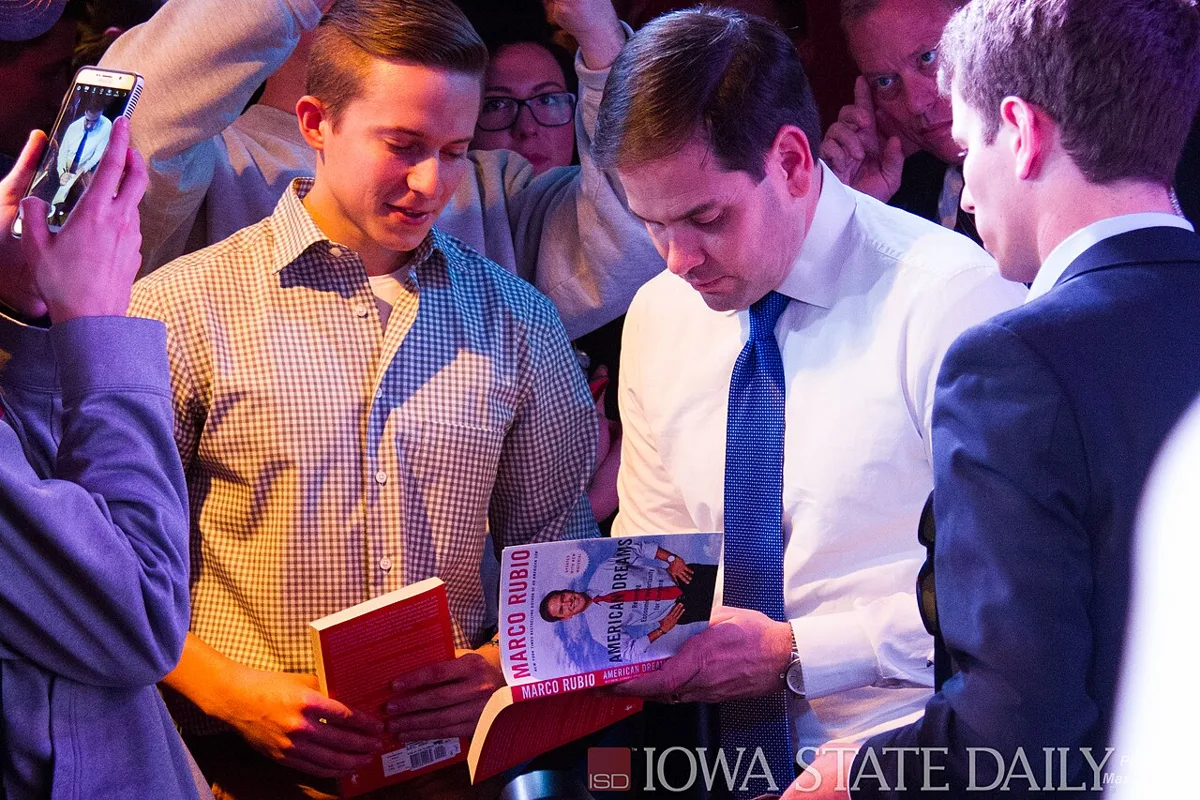
Secretary of State Marco Rubio got on the phone with Ukraine's president for 45 minutes on Tuesday to personally assure him that Donald Trump has not ordered anyone to harm Ukraine. Read that sentence again. Slowly. This is where American diplomacy has landed: the top diplomat has to reassure a wartime ally that his own government isn't actively trying to hurt him.
The Call Nobody Should Have Needed
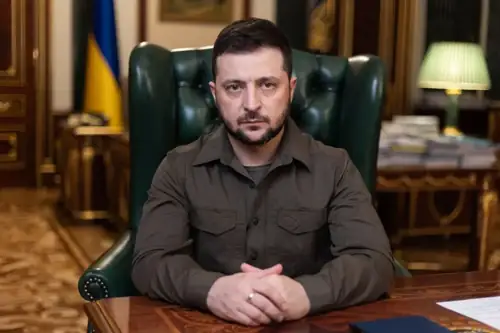
According to Axios, Rubio's message to Zelensky was simple: there is no presidential directive aimed at damaging Ukraine. The call was an attempt to keep the crisis between Washington and Kyiv from spiraling further, and to knock down Ukrainian accusations that Trump is trying to coerce Zelensky into handing concessions to Russia.
Sit with that for a second. Ukrainian officials looked at the behavior of the United States and concluded that the American president might be trying to bully them into a bad deal with the country that invaded them. And the response from Washington wasn't a policy change or a public statement of support. It was a phone call. In private. With a denial.
When you have to tell your ally you're not trying to hurt them, you have already lost the argument about whether you're a reliable partner.
Timing Is Everything, Especially When It's Suspicious
The 45-minute call took place several hours before a fresh round of peace talks involving White House envoy Steve Witkoff. The stated goal of those talks was to reach a unified position with European allies on an updated peace proposal.
So the sequence goes like this. Ukraine accuses Trump of strong-arming Zelensky. Rubio phones Zelensky to say nothing of the sort is happening. Hours later, the envoy who keeps showing up in these negotiations sits down to hammer out an updated peace plan. If that feels like a reassuring hug right before a handshake you didn't agree to, you're reading it correctly.
Reassurance delivered right before the pressure arrives is a very old trick. Anyone who has ever bought a used car knows the move.
Witkoff Walks Back In
Steve Witkoff is a real estate guy turned global peacemaker, and his name keeps surfacing every time Ukraine's future gets discussed in a room Ukraine isn't fully controlling. His role in the talks matters because the whole exercise is supposed to align the United States with European allies on a single position.
Aligning with allies sounds nice. It also sounds like something you only need to do when you aren't currently aligned. The very existence of the effort tells you the U.S. and Europe are not on the same page, and that Kyiv is the one standing in the middle of a document being rewritten around it.
Ukraine did not start this war. It does not get to leave the table. But it keeps getting treated as a variable in somebody else's equation.
What Zelensky Is Actually Afraid Of
The Ukrainian accusation at the center of this is blunt. Kyiv believes Trump is trying to coerce Zelensky into making concessions to Russia. That is not a fringe theory floating around social media. It is the position of a government that depends on American support to keep its country from being carved up.
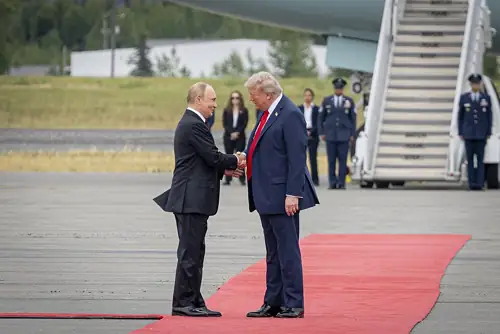
If you're Zelensky, the math is brutal. You need weapons, intelligence, and political cover. The man controlling much of that has repeatedly shown warmth toward Putin and impatience with you. Every signal gets read through that lens. A canceled shipment, a delayed meeting, a vague statement from the White House, all of it lands as a possible threat.
Rubio's job on that call was to turn the temperature down. Whether a secretary of state's word counts for much when the president's instincts point the other way is the real question, and 45 minutes of talking doesn't answer it.
A Denial Is Not a Policy
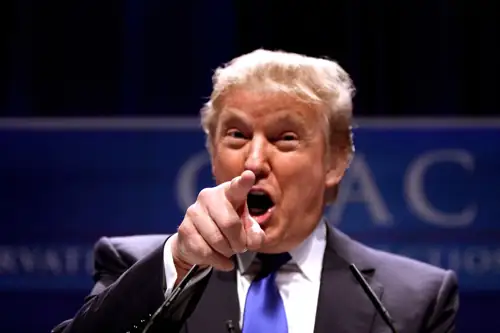
Here is the problem with "the president hasn't issued any kind of order." It is a very narrow claim. It says no formal directive exists. It says nothing about pressure applied through tone, timing, leaks, and leverage. Governments don't need a signed memo to squeeze a smaller country. They just need to make clear what happens if the smaller country says no.
A denial of a specific order is also the kind of statement that sounds airtight and covers almost nothing. Nobody accused Trump of signing a document titled "Operation Hurt Ukraine." The accusation is about conduct and direction, and a clean answer to a question nobody asked doesn't resolve it.
The Dingo Take
The line out of Washington is that there is no order to harm Ukraine. The facts in this story show a secretary of state burning 45 minutes on a phone call because Ukraine's own government believes it is being squeezed by the country that is supposed to be its backer. Officials say nothing is wrong. Their own behavior says they know exactly how wrong it looks.
Look, if the relationship were healthy, this call doesn't happen. You don't dial your ally to explain that you aren't plotting against them unless they've already started wondering. The reassurance is the evidence. Rubio, who spent years sounding like a hawk on Russia, is now cast as the man smoothing over whatever the boss's instincts keep breaking. That has to be a strange job to wake up to.
And the peace talks that follow are where the real answer lives. Watch what the updated proposal asks Ukraine to give up, and who benefits when it does. A phone call is words. A peace plan is terms. If the terms lean toward Moscow, no amount of assurance from Rubio will matter, and Zelensky will have been right all along.


Comments