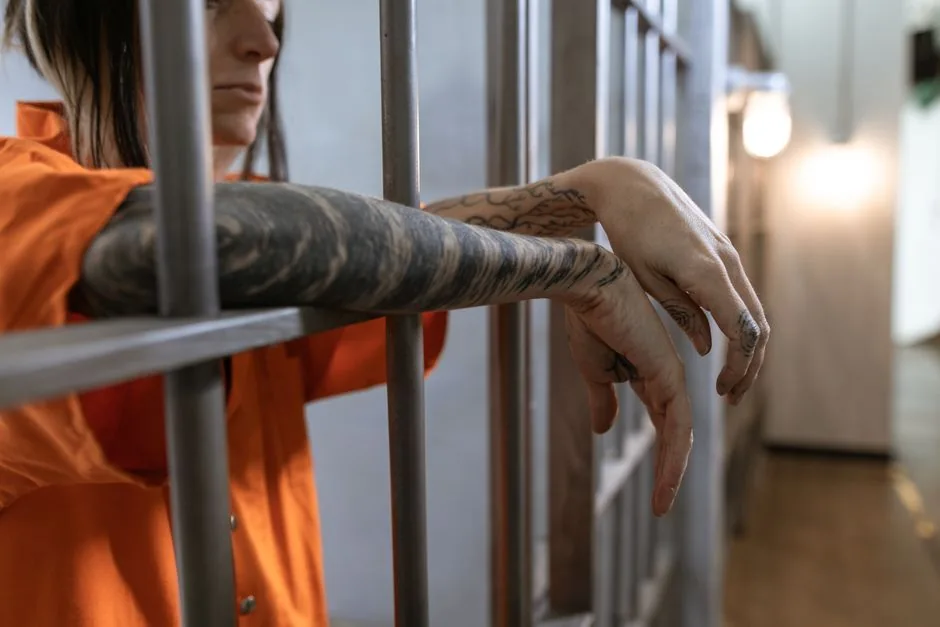
The Supreme Court on Wednesday refused to let the Trump administration yank hormone therapy from transgender people in federal prison, and it did so in one sentence with no explanation. The administration's own argument, boiled down, was that giving these inmates medical care might make other inmates jealous. Only Clarence Thomas and Samuel Alito wanted to let the policy go forward.
One Sentence, Zero Reasoning, Total Loss
Here is the entire operative text of the order, as NPR relayed it: "The application for stay presented to The Chief Justice and by him referred to the Court is denied." That's it. No majority opinion, no concurrence, no little paragraph explaining what the justices were thinking.
The order did note that Thomas and Alito would have granted the stay. So we know who lost, and we know the Trump administration's emergency request went down anyway. This is the same Court that has handed the administration a long list of emergency-docket wins. Not this time.
The decision keeps in place an injunction from U.S. District Judge Royce Lamberth that bars the Bureau of Prisons from implementing a policy ending hormone therapy and other treatment for trans inmates. The underlying case is still moving through the courts, so this is a pause on the cruelty, not the end of the fight.
What The Bureau of Prisons Actually Wanted To Do
Over roughly the last 18 months, the BOP has announced in several different pronouncements that it will not provide gender transition surgery, hormone treatments, or what it calls "social accommodations" like wigs, padding, or makeup. All of this tracks Trump's January 2025 executive order directing federal agencies to recognize only an "immutable biological classification" of male or female.
If the policy had taken effect, the only care left for trans inmates would be mental health services and possibly medications like antidepressants. So the government's plan for people with gender dysphoria was to take away the treatment and offer a prescription for being sad about it.
The case, Kingdom v. Trump, covers about 1,000 inmates with a gender dysphoria diagnosis. The ACLU believes roughly 800 of them have been prescribed hormone therapy. The ACLU estimates more than 2,000 people in BOP custody identify as transgender, though nobody can say for sure, because the BOP stopped publishing that data after Trump took office in 2025. It now records only male or female. Convenient.
The Government's Case: Jealousy And Vibes
The administration told the Supreme Court that providing this care creates risks, including that recipients would become "targets for attacks." It also raised "fairness concerns" and said the care would "breed resentment" among other inmates.
Read that again. The proposed solution to prisoners potentially being attacked is to deny them medical treatment. The proposed solution to resentment among inmates is to make sure nobody gets anything. This is the logic of a toddler who breaks his own toy so the other kid can't have a turn.
The administration also questioned the standards of care from the World Professional Association for Transgender Health, which were developed by experts in transgender health and are used by organizations around the world. The government's pitch is that medical professionals have recently called this treatment into question. Transgender rights advocates heavily contest that, and the record in this case gives them plenty of ammunition.
Judge Lamberth Looked For The Evidence And Found Nothing
Lamberth is a Reagan appointee, which matters here only because it kills the "activist liberal judge" talking point on arrival. He blocked the policy after concluding the BOP never bothered to weigh the merits of its own past practice.
His words: "Despite providing gender-affirming care to inmates in its custody for years, the government cites in the Program Statement zero evidence from its own medical or mental health professionals to support its conclusions." The government also offered no evidence that the previous approach was "ineffective or harmful."
He went further and found that the policy appeared to be engineered to comply with the president's executive order, calling the stated reasons pretextual. In plain English: the judge decided the agency picked the conclusion first and went shopping for a rationale after. The ACLU made the same point, noting the BOP has treated gender dysphoria since at least 1992 and never once mentioned in the administrative record that the treatment compromised security or hurt patients. The ACLU called that a "glaring omission" and said the government's arguments look "contrived."
Two Courts Already Said No Before The Justices Did
The administration did not come to the Supreme Court first. It lost at the district court, then asked the D.C. Circuit to pause Lamberth's order. In September, that panel refused, splitting 2-1. Only then did Solicitor General D. John Sauer go to the Supreme Court.
Sauer's argument was that the lower court had "substituted its own policy judgment for that of the agency" and was essentially faulting the Bureau of Prisons for following the president's directive. Think about what that concedes. The defense is not that the policy is backed by medical evidence. The defense is that the agency was just doing what the boss told it to do.
The plaintiffs also argue the policy violates the Eighth Amendment's ban on cruel and unusual punishment. The lead plaintiffs, Alishea Kingdom, Jas Kapule, and Solo Nichols, have each been on hormone treatment for several years. NPR previously spoke with a woman who described severe physical and mental anguish after losing access to her hormones. Without this care, people with gender dysphoria can face serious anxiety and depression, and some turn to self-harm and suicide.
This Court Has Not Exactly Been A Friend To Trans People
Before anyone throws a parade, remember the context. Last June, the Court ruled that states can ban transgender girls from sports at publicly funded schools. In 2025, it upheld state laws making it illegal for doctors to provide gender-affirming care to minors. The anti-trans policy agenda that grew out of Trump's executive order has had a pretty smooth run at One First Street.
So this denial stands out. It could mean a majority saw how thin the government's record was. It could mean something else entirely. We don't know, because the Court chose to tell us nothing.
The Dingo Take
Zero. That is how much evidence from its own medical or mental health professionals the Bureau of Prisons cited when it tried to end care it had provided since at least 1992. A Reagan-appointed judge went looking and came back empty-handed, and the government's best reply at the Supreme Court was that other inmates might get cranky about it.
That is the whole policy. Not a study, not a clinical finding, not a single doctor on the record saying the treatment failed. Just an executive order, an agency eager to please, and a legal team forced to argue that a judge shouldn't ask why. When your defense is "we were only following the president's directive," you have not made a case. You have made a confession.
The win is real and it is temporary. The injunction holds, the litigation grinds on, and roughly a thousand people with a gender dysphoria diagnosis keep their treatment for now. But a one-sentence order with no reasoning tells you nothing about what comes next, and this Court has shown it will sign off on cruelty when the mood strikes. Keep one eye on the docket. And maybe ask why the government stopped counting trans inmates the very moment it decided to make their lives worse.



Comments