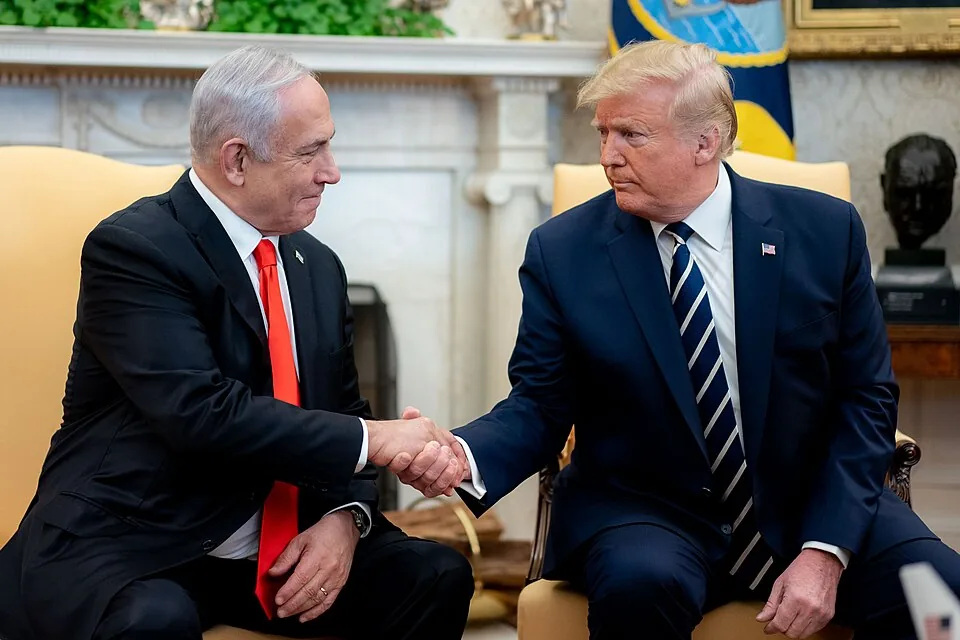
The United States and Israel are drawing up plans to attack Iran in early November, after American voters have finished voting and after Israelis have finished voting too. A person briefed on the preparations told NPR the original plan was to strike in mid-October, but Trump objected. Nothing says democratic accountability like scheduling a war for the morning after the ballots are counted.
A War With a Post-Election Start Date
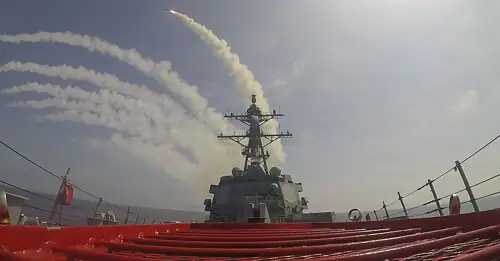
Here's what NPR's anonymous source laid out. Israel initially intended to hit Iran in mid-October. Trump said no. Now the target window is early next month, after the U.S. midterms and after Israel's own elections next week.
The timing is the story. Nobody is claiming the calendar is a coincidence, and nobody has offered an alternative explanation for why a military operation of this size would politely wait until the voting stops. Maybe it's pure logistics. Maybe the planners simply hate Tuesdays in October.
NPR's Ruth Sherlock says the preparations might be meant to pressure Iran into a diplomatic deal. That's one reading. The other reading is that two governments are keeping a very large, very loud option in the drawer until the people who could punish them for it have gone home.
Netanyahu Needs a Unity Government and Has a Hammer
Israeli Prime Minister Benjamin Netanyahu is campaigning to topple Iran's regime. That is not a metaphor for a tough stance. That is the platform.
Sherlock notes that if Israel's election results are murky by November, Netanyahu may use the threat of military action to help form a unity government. Read that again. The threat of bombing another country as a coalition-building tool. It's like threatening to burn down the house to get the family to agree on dinner.
And the U.S. is apparently along for the ride, with Trump's objection to the October date serving as the only brake mentioned in the reporting. A brake, not a steering wheel.
Meanwhile, Israeli Forces Detain a Dozen Rabbis
The same reporting notes that Israeli security forces in the occupied West Bank detained about 80 people yesterday. Among them: Brad Lander, the Democratic congressional nominee for New York, and more than a dozen American rabbis.
American rabbis. In custody. Right as Washington and Jerusalem finalize a strike plan together. If you were trying to design a week that tests the "unbreakable alliance" talking point, you couldn't do much better.
The details of why they were detained aren't in the source material, and we won't pretend to know. What we do know is that a nominee for the U.S. Congress was swept up in a security operation abroad, and that fact is now sitting right next to a story about joint military planning.
AIPAC Quietly Leaves the Room
In the same news cycle, AIPAC announced it will no longer issue endorsements, make direct PAC contributions, or earmark funds for candidates. The group began its direct political involvement five years ago and has faced growing resistance over its positions on the wars in Gaza and Iran.
That is a remarkable retreat for one of the most feared lobbying operations in Washington. Candidates used to treat an AIPAC check like a permission slip. Now the organization is stepping back from the checkbook entirely, two weeks before an election and days before a possible Iran strike.
Draw your own conclusions about the timing. We're not going to pretend it's unrelated to the criticism the group says it has been absorbing.
The DOJ Is Picking Counties to Watch
This week the Department of Justice started notifying the counties it wants to monitor on Election Day, NPR has learned. Election monitoring is a normal DOJ function, meant to ensure compliance with voting laws.
But officials have raised concerns this year about the Trump administration's efforts to control elections. So when the same administration starts picking which counties get federal eyes on them, people are entitled to ask what exactly the monitors are there to protect.
Meanwhile, early voting has seen a big surge in Black voter turnout, per NPR's Stephen Fowler, and Democrats are fanning out with Obama in Ohio, Michigan and Georgia, Harris in a surprisingly competitive Mississippi Senate race, and Ocasio-Complex, Sanders and Booker working other states. Fowler calls it a shadow primary for 2028. Subtle.
Oh, and Musk Wants a $3.7 Trillion Company
In a news cycle that already had a war plan, Elon Musk revived the idea of merging Tesla and SpaceX during both companies' earnings calls this week. The combined entity would carry a market cap of roughly $3.7 trillion, making it one of the largest companies on Earth.
Analysts told NPR's John Ruwitch that Musk could gain a controlling share in Tesla, where he currently holds less voting power than he does at SpaceX. Tesla shareholders approved a trillion-dollar pay package for him in November, contingent on hitting growth targets over the next decade. A merger could help him get there.
Shareholders still have to approve, and Tesla's might demand a higher share price. So there's at least one group of people in this story with the power to say no.
The Dingo Take
Start with the people who get no vote in any of this. The Iranians who live in the cities on a possible target list. The Israeli voters being asked to choose a government while a war plan hovers over the ballot box. The American voters who will walk out of the polls on a Tuesday and wake up to find out what their government decided to do once their opinion stopped counting.
That's the pattern. Plans get made, dates get shifted, and the public gets handed the result after the part where they could object. A strike scheduled for the week after the elections is not an accident. It's a design choice, and the design is to keep you from having a say in it.
So here's the question for November: if a war is too politically risky to start before the midterms, why is it acceptable to start right after them? Either it's a good idea, in which case say so to voters now, or it's a bad one, in which case don't do it. The only people who benefit from waiting are the ones who'd rather you not be paying attention.

Comments