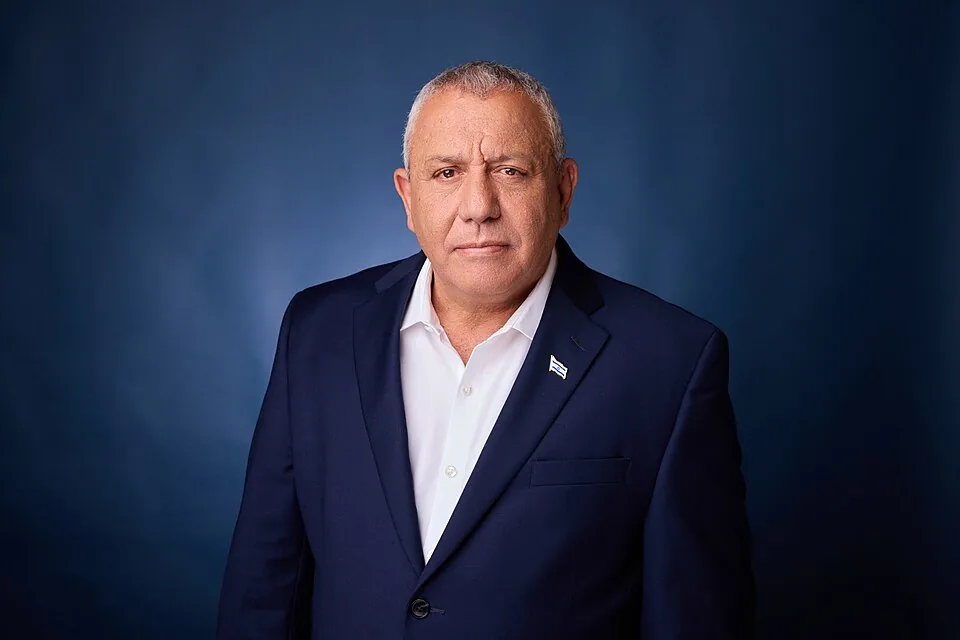
Benjamin Netanyahu has survived indictments, protests, wars, and more political obituaries than a small-town newspaper. Now, on the eve of Israel's election, the man reportedly giving him the most trouble in years is a quiet, low-key former military chief who has never won an election in his life. Gadi Eisenkot, leader of the Yashar party, is the political equivalent of a man trying to win a shouting match by whispering.
The Quiet Guy Is the Threat
Here's the setup, per Axios. Gadi Eisenkot is as low-key as Netanyahu is bombastic. He's a political novice. Netanyahu is the longest-serving, most politically savvy prime minister in Israel's history, a man who has been winning and losing and winning again since the 1990s.
And yet, going into Tuesday's vote, Eisenkot represents the most serious challenge to Netanyahu's hold on power in years. That is the entire pitch, and it is a strange one. The incumbent has every advantage a career politician can accumulate, and the guy rattling him is the one who doesn't seem to want the spotlight.
Think about what that says. Netanyahu's whole brand is dominance. He is the loudest, most experienced operator in the room. And the person who might actually dent him is a political rookie who doesn't play that game.
A Study in Contrasts
The contrast between these two could hardly be sharper, and that is the story. Netanyahu is theater. He fills rooms, he picks fights, he turns every campaign into a referendum on himself. Eisenkot is the opposite temperament in nearly every way.
Their roots differ too. Eisenkot is the son of Moroccan Jewish immigrants, a background that carries real weight in Israeli politics, where questions of origin and class have shaped voting blocs for generations. Netanyahu, for his part, built his career as the polished, English-fluent face Israel showed the world.
So voters are being handed a choice that is as much about temperament as policy. Do you want the showman who has run the country for most of a generation, or the quiet outsider asking you to try something else?
What a Win Would Actually Mean
Axios frames the stakes plainly: a victory by the Yashar party leader would upend Israeli politics and could reset the country's strained relationships abroad. That is not a small claim. It means the outcome reaches well beyond Israel's borders.
Israel's ties with its partners have been under real strain, and a change at the top is the kind of thing that could reset the conversation. Whether it would is a separate question, and one the excerpt we have doesn't answer. A new leader can promise a new tone. Delivering a new reality is harder.
But the mere possibility is why this election has people watching. When a long-entrenched leader suddenly looks beatable, everyone from rival politicians to foreign capitals starts recalculating.
The Novice Problem Cuts Both Ways
Let's be fair to Netanyahu's side of this. Being a political novice is a real liability. Running a campaign is not the same as running an army, and Israeli coalition politics is a knife fight conducted in a phone booth. Experience matters, and Netanyahu has more of it than anyone.
But novice status is also a selling point when voters are tired. Fresh and unscarred looks pretty good after decades of the same faces and the same fights. Plenty of electorates, in plenty of countries, have decided they would rather gamble on the new guy than endure the familiar one for another term.
Whether Israeli voters feel that way is exactly what Tuesday will answer. The polling and coalition math that would tell us how close this really is sits outside the reporting we have, so anyone claiming certainty right now is selling something.
Why the Rest of the World Is Paying Attention
Israeli elections are never just Israeli elections. The country sits at the center of a region that dominates global headlines, and its leadership shapes decisions in Washington, in European capitals, and across the Middle East.
That is why a challenger with a real shot matters so much. Even a narrow result that forces a messy coalition fight can change how Netanyahu governs, who he has to bargain with, and what he can promise. A leader who barely survives is a different leader than one who wins big.
We will know more when the votes are counted. Until then, the one solid takeaway is that the most seasoned politician in the country's history is facing a genuine contest from a man who has never run before.
The Dingo Take
Remember when Truman beat Dewey and the Chicago Tribune printed the wrong headline because everyone knew how the story would end? Political obituaries are a dangerous business, and Netanyahu has been the subject of more of them than almost anyone alive. He is still here. That should make everyone careful about declaring anything over before the ballots are counted.
But the picture Axios paints is a real one. A bombastic incumbent who has dominated for decades is facing a soft-spoken newcomer, and the newcomer is making him sweat. That is not nothing. It means the fatigue is out there, and it means Netanyahu's usual playbook of being louder than everyone else may be running into a voter base that wants quiet for once.
We don't have the full numbers, so we won't pretend to. What we do have is a good reminder that invincible politicians are only invincible until they aren't. Tuesday will tell us which kind of night this is.



Comments