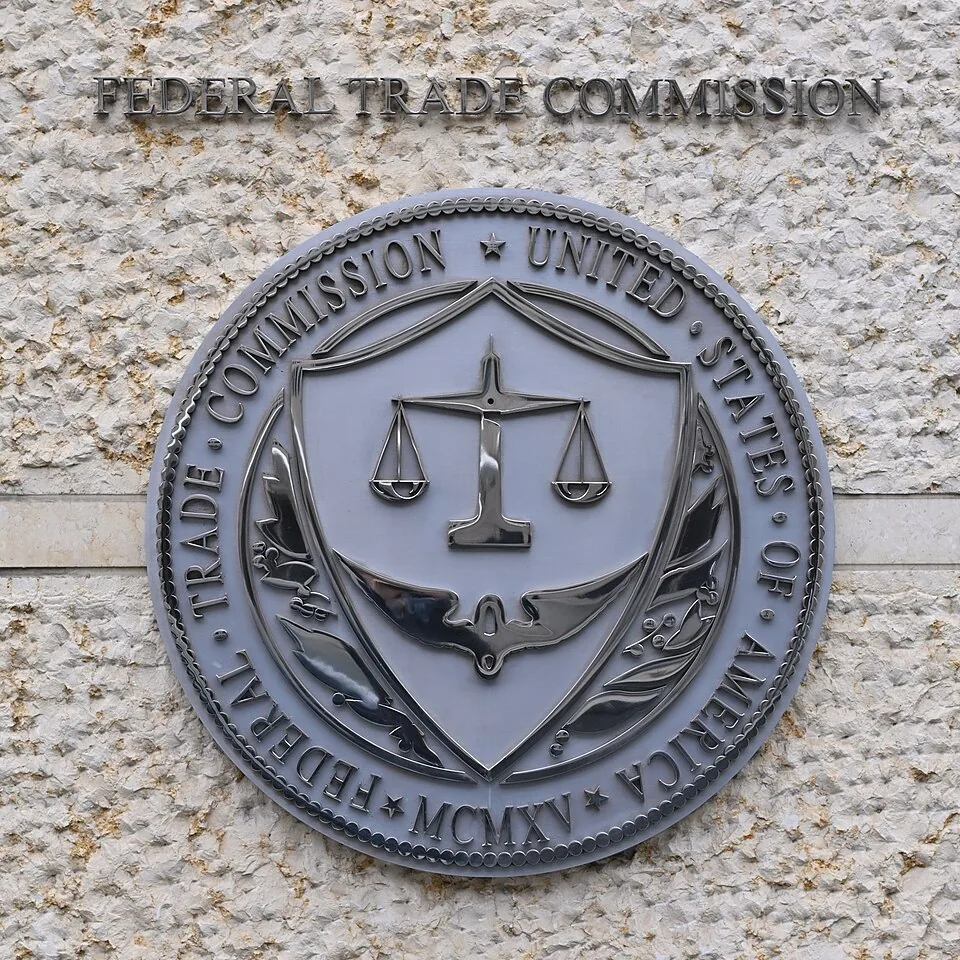
The Federal Trade Commission has ordered nine of the biggest names in American commerce to explain how they use algorithms and loyalty programs to charge different people different prices for the exact same thing. The list includes Delta, United, JetBlue, Lyft, Uber, DoorDash, Instacart, Target and Walmart. The catch is that the agency legally cannot fine or regulate the airlines on that list, which is a bit like sending a stern letter to a bank robber and then noting you have no jurisdiction over banks.
Nine Companies, One Very Awkward Question
According to The Guardian, the FTC wants these companies to hand over data showing whether the price of a ticket, a ride, a food delivery or a bag of groceries changes from one person to the next. The factors in question include participation in loyalty programs and whether an algorithm has chewed through your personal data to figure out how much you can be made to pay.
FTC chair Andrew Ferguson said the agency will "scrutinize the opaque methodology that some companies in these industries may be using to determine how much consumers pay or how much gig workers are paid for the same product or service." Note that last part. This is not only about what you pay. It is also about what the people driving your Uber and carrying your Instacart bags get paid.
So the same machinery that might quote you one price while quoting your neighbor another may also be quoting two drivers different wages for identical work. Everybody gets squeezed. The algorithm is an equal opportunity wallet-lightener.
Surveillance Pricing Is Exactly As Creepy As It Sounds
Let's be clear about what we're talking about. Surveillance pricing means a company uses what it knows about you to decide what it can get away with charging. Your location. Your browser history. Your buying habits. How badly you seem to need the thing.
The FTC itself found back in January 2025 that "details like a person's precise location or browser history can be frequently used to target individual consumers with different prices for the same goods and services." That is the government's own conclusion, not a conspiracy theory from a guy in a group chat.
There have already been investigations and lawsuits alleging that consumers are charged different prices based on their buying histories, and that drivers are paid different fares based on their personal histories. In other words, the price tag is no longer a price. It's a negotiation you didn't know you were in, conducted by a machine that has read your diary.
The Airlines Get a Free Pass, Courtesy of Federal Law
Here's where it gets absurd. The FTC polices unfair or deceptive practices across most of the economy, but banking and airlines are carved out. That means Delta, United and JetBlue are on this list, and the agency cannot impose any fines or regulations on them.
Three of the nine targets are basically sitting in the front row of their own inquiry with a note from their mom. The FTC can ask nicely. It can shine a light. It can generate a very embarrassing paper trail. What it cannot do is make them stop.
Maybe that's the point of demanding the data anyway. Sunlight is a disinfectant, and all that. But a disinfectant you're legally forbidden from applying is just a nice smell in the room.
Your Grocery Bill Is Already Bleeding
None of this lands in a vacuum. Family budgets are already stretched thin by inflation, and the reporting notes that households are being gouged by opaque and sometimes deceptive store pricing, including surveillance pricing and overcharges at places like Dollar General and convenience stores.
So you're paying more across the board, and now you also have to wonder whether you're paying more than the next person for the same box of cereal. Can you even check? You can't. That's the whole design. The price is only visible to the person it's aimed at.
Several states have started introducing legislation to ban surveillance pricing and the electronic shelf labels that could let a store change what a product costs based on who's standing in front of it. That's where the real action may be, because the people with actual power to stop this are lining up, and some of them are state lawmakers rather than federal ones.
A Probe With a Track Record Problem
Will this inquiry change anything? The honest answer from the people who know the agency best is: probably not. Rohit Chopra, a former FTC commissioner who now runs California's new Business and Consumer Protection Agency, put it bluntly: "What we have seen so far is that they have not been using these studies that produce meaningful reports that ultimately lead to any rule-making changes."
That's a former insider saying these studies tend to produce a nice report and then a long nap. The current probe follows a July 2024 Biden-era inquiry that demanded information from McKinsey, JPMorgan Chase and others that sold surveillance pricing products to consumer-facing companies. We got a finding out of that one. We did not get a fix.
And all of this plays out under an administration that has spent its time rolling back corporate regulations. The FTC's consumer protection division has, to its credit, teamed up with states in some cases to pursue legal action and penalties against some companies. So there's a pulse. Whether it's a pulse or a twitch is the open question.
The Dingo Take
Nine companies. Zero fines available against the three airlines among them. That's the whole story in a sentence, and it should make you want to throw your phone into a lake.
Look, a data demand is better than nothing. Forcing Delta and Uber and Walmart to explain, on paper, how they decide you're the kind of person who'll pay eleven dollars more is a real thing, and it might shake loose something ugly. But we've watched this movie. A big inquiry, a stern quote, a thick report, and then a quiet fade to black while the algorithms keep humming. Chopra just told you how it ends, and he used to work there.
The real fight is going to be in the states, where lawmakers are moving to ban surveillance pricing outright, and in whether anyone with actual enforcement power decides this is worth the trouble. Until then, assume the price you see is the price they think you'll tolerate. Not the price. The tolerance. Pay attention to that distinction, because the machine certainly is.



Comments