Two weeks before Election Day, the sitting president of the United States stood in front of a crowd in Youngstown and announced that he had been "examining" Sen. Jon Husted's body, including his rear end. On Tuesday night, Ohio voters sent Husted home anyway, handing Democrat Sherrod Brown his seat back. Down in Iowa, a Paralympic gold medalist in a wheelchair flipped a Republican Senate seat that the GOP had held for more than a decade.
Brown Returns, Husted Packs
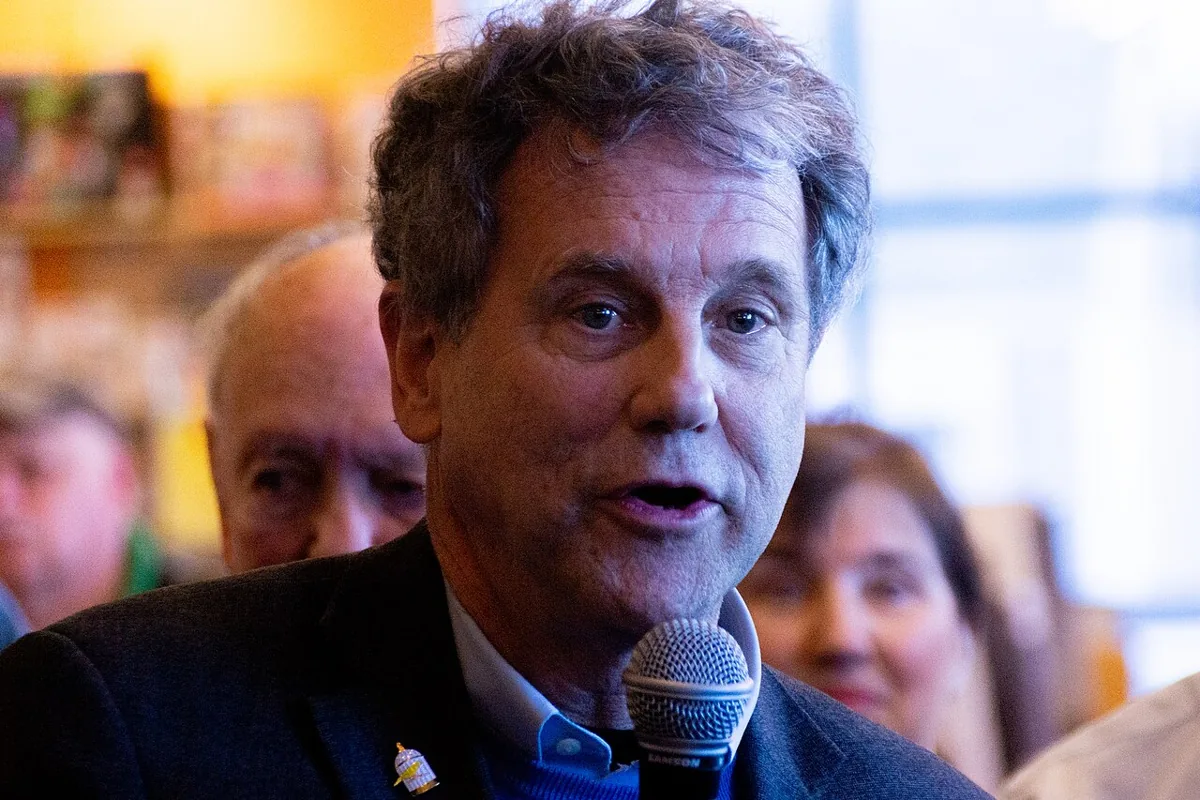
Sherrod Brown is going back to the Senate. The Associated Press called the Ohio race for the former three-term senator Tuesday night, and NBC News projected the same result. Brown, 73, beat Republican incumbent Husted after a brutal, expensive campaign. He lost his seat to Bernie Moreno in 2024, which makes him the seventh former senator since 1946 to lose a seat and then win his way back.
The seat is the one JD Vance won in 2022 and vacated when he became vice president. Gov. Mike DeWine appointed Husted to fill it in January 2023, and this was Husted's first run for the U.S. Senate. Brown only gets two years out of this win. He'll have to run again in 2028 to keep the seat, so enjoy the victory lap, Senator, because the next campaign starts in about nine minutes.
NBC News called Brown the most successful Democrat in Ohio over the last three decades. That's a nice way of saying he's the guy who keeps winning in a state Trump has carried three straight times. Ohio was supposed to be gone for Democrats. Nobody told Brown, or if they did, he ignored them.
The Butt Heard Round Youngstown
Let's get to the part you're here for. Trump rallied with Husted twice in nine days, and both events featured Jon Gruden, the former NFL coach who played football with Husted at the University of Dayton. Gruden apparently told Trump that Husted was a great athlete. Trump took that information and ran with it, in the worst possible direction.
Here is the actual quote, from the Oct. 12 rally in Youngstown: "I started examining his body, because I didn't know he was a great athlete. And I looked, and I watched up and down, and I looked at his ass, and I looked at the whole, and then I looked at his hands. ... He's got these, like, claws, and I got it. You are a great athlete. I didn't know that, because he doesn't talk about that. Congratulations! Now they finally know."
Claws. The president of the United States, in front of a crowd of voters, complimented a sitting senator's claws. NPR noted that Husted became one of several male office-seekers to earn odd praise from Trump on their physiques. This is the endorsement the Republican Party considered worth flying in for, twice, in the final month of a Senate race. It did not help.
The Data Center Albatross
Husted's real problem wasn't his physique. It was data centers. As Ohio's tech-focused lieutenant governor, he championed the AI data center boom as the future, and Brown spent the entire campaign calling him "the face of data centers" in the state. It stuck. Voters in Ohio were worried about what those buildings do to their power bills and their communities, and Husted had his fingerprints all over the deals.
The National Republican Senatorial Committee saw it coming. A leaked August memo called data centers "the anchor hanging around Husted's neck" and warned that a loss would affect future races around the country. NPR hasn't independently confirmed the memo's authenticity, but the prediction turned out to be a pretty good one. When your own party's campaign arm writes your obituary in August, you should probably start returning the casket catalogs.
The memo also tells you how the GOP sees the road ahead. If data centers are toxic in Ohio, they won't be popular elsewhere, and a lot of Republicans have been cheerleading for them.
Iowa Flips, and a Prairie Populist Rises
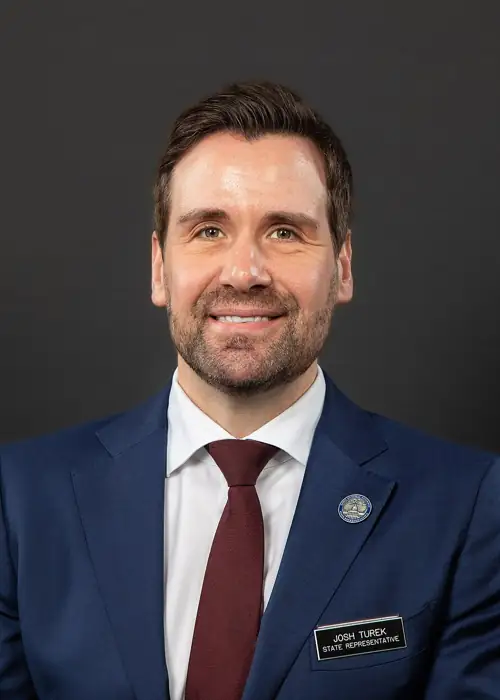
While Ohio was busy rejecting claws, Iowa delivered the bigger shock. Democrat Josh Turek won the open Senate seat vacated by retiring Republican Sen. Joni Ernst, beating Republican Rep. Ashley Hinson. That ends more than a decade of Republican control of both of the state's Senate seats. Trump carried Iowa by 13 points in 2024. Thirteen.
Turek is a state representative from Council Bluffs and a two-time Paralympic gold medalist in basketball. He uses a wheelchair because of spina bifida, which he attributes to his father's exposure to Agent Orange in Vietnam. He was a relative unknown who beat former state Senate minority leader Zach Wahls for the Democratic nomination in June. Hinson, a former TV journalist, had Trump's endorsement and was considered a rising star and early front-runner.
Turek called himself a "prairie populist" and hammered Hinson on health care. He attacked her support for Trump's One Big Beautiful Bill Act, which cuts Medicaid spending nationwide by nearly $1 trillion, and went after the growth in her personal wealth during her time in Washington. In the final quarter he significantly outraised her. Farmers hit by Trump's tariffs and higher diesel prices from the Iran war weren't exactly lining up to reward the party responsible.
Everything Was On Fire At Once
The issues that decided these races read like a list of things Republicans were hoping you wouldn't bring up. The war with Iran. Rising gas prices. Affordability. Health care costs. In Ohio, Brown also hit Husted as an unflinching Trump loyalist who backed the Iran war and initially voted against releasing the Jeffrey Epstein files.
Money poured in on both sides. Brown far outraised Husted, with the two candidates together bringing in more than $80 million. By mid-October, the candidates and outside groups had spent more than $422 million in Ohio, according to AdImpact, making it one of the most expensive Senate contests in the country. In Iowa, the candidates raised more than $30 million combined, and outside groups added more than $100 million, per Open Secrets. Ohio was also the only state with a close Senate race where Democrats ran more broadcast TV ads than Republicans.
There was also the Ohio governor's race, where Republican Vivek Ramaswamy's campaign put $4 million behind an attack ad featuring the estranged mother of Democrat Amy Acton. The ad dredged up a horrific story from nearly 50 years ago involving Acton's then-stepfather, who was charged with raping her as a child. Some GOP observers worried the backlash would drag Husted down with it. Nothing says confidence like spending $4 million on that.
A Senator Who Didn't Want The Job
Husted never looked thrilled to be in this race. The Senate was not his first choice. He'd been running for governor, a job he has long coveted, when Vance's departure scrambled everything. He faced a potentially ugly primary against his friend Ramaswamy, so he took DeWine's appointment instead and kept his $6 million gubernatorial war chest intact. Some Republicans called it a Plan B.
At a Stark County GOP picnic in August, Husted said, "I'm, like, an Ohio guy. D.C. is not my place. When my flight goes in on Monday, I'm a lot less happy than when I'm coming home on Thursday, right?" That's a hell of a pitch for a Senate campaign. Vote for me, I'd rather be anywhere else.
He did have Trump's early endorsement, which cleared the primary field. He also had Trump's physical appraisal, which apparently did less than advertised. Now at 59, Husted faces an uncertain future for a career officeholder. Speaker of the Ohio House, secretary of state, lieutenant governor, senator. The only title he gets to keep now is guy who was complimented on his claws.
The Dingo Take
Who benefits from all of this? Not Husted, who spent two years in a job he didn't want and lost it anyway. Not the Republicans who cheered the data center boom while voters in their own state asked what it was doing to their electric bills. The winners are a 73-year-old who refused to go away and a Paralympian most of Iowa had never heard of eight months ago. Democrats got both without a single "blue wave" slogan doing the work.
The GOP's own memo tells you everything. The people paid to protect Senate Republicans wrote down in August that data centers could sink Husted and drag down races across the country. Then the party kept running the same play, because the AI industry's money and enthusiasm are too good to give up. Tech donors win when the buildings go up. Voters lose when the bills arrive. That's the whole transaction, and Ohio just voted on it.
And the rest of it? A war with Iran that drove up diesel prices for Iowa farmers, a Medicaid cut worth nearly a trillion dollars, and a president who spends rally time grading a candidate's backside instead of explaining any of it. Republicans can keep telling themselves this was about candidate quality. It wasn't. It was about what they did, what it cost, and who got stuck paying. Two years from now, Brown has to do it all over again. Given how this one went, I wouldn't bet against him.
Comments