The FBI is investigating an apparent breach of the National Crime Information Center, the database that connects federal, state and local cops across the country. This comes one day after USDA employees were told a system had been hit, days after the NSA's classified network went dark, and right as the White House cyber director packed his desk.
Explain Like I'm 5 · 43-second video

Narrated and captioned. Made by The Dingo Daily from this article.
The Database Every Cop In America Uses
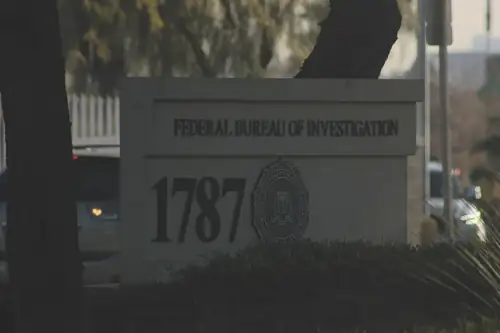
Two people briefed on the matter told NBC News on Friday that the FBI is looking into an apparent breach of the National Crime Information Center. CNN reported the story earlier that evening. The FBI had no comment as of Friday night.
If you don't know what the NCIC is, here's the short version. It's the system that lets a patrol officer in Ohio find out whether the guy in the driver's seat has a warrant in Arizona. Federal, state and local authorities all plug into it so that important law enforcement information is available nationwide.
So when someone gets into it, or even appears to, that's a problem. Nobody has said what, if anything, was taken. Nobody has said who did it. What we know is that the people responsible for catching criminals are now investigating a possible break-in at their own filing cabinet.
Who Might Have Done It? The FBI Isn't Saying
The FBI has not addressed who may be behind this one. But there's recent history worth remembering. In September, the agency announced an investigation of a notorious hacking group that claimed it had stolen data on agents through the FBI's job portal.
Yes, the job portal. The place where you upload your resume and a cover letter about your lifelong passion for public service. Apparently a hacking group claimed it came away with data on agents from that.
That doesn't mean the same crew is behind the NCIC incident. Nobody has made that claim, and we're not going to invent one. But it does mean the FBI has been dealing with a bad-news cybersecurity year, and this week added another chapter.
The USDA Got Hit The Day Before
On Thursday, employees at the U.S. Department of Agriculture were informed that one of the department's systems had been targeted. USDA officials with knowledge of the matter said the system in question is the one the agency uses to pay farmers.
As of Friday, officials said no other systems had been targeted. That's the good news. The bad news is that those same officials raised alarms that the hackers could find a way to reach more sensitive information through the breach.
Think about what that means. A payment system is a door. The question every cybersecurity person asks after a door gets kicked in is simple: what's in the next room, and did anyone lock it?
The NSA Had A Rough Week Too
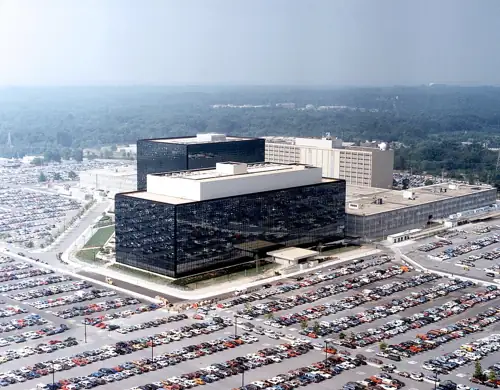
Then there's the National Security Agency. An internal classified computer network used by the NSA went down on Tuesday and stayed down for multiple days, according to two people with knowledge of the matter. As of Friday, it's been fixed.
Sources told NBC News the network went down while maintenance was being performed, and there was no sign the outage was caused by a cyberattack. So this one appears to be an own goal, not an enemy strike. Someone did maintenance and the spy network took a multi-day nap.
Sen. Mark Warner of Virginia, the top Democrat on the Senate Intelligence Committee, said Wednesday that evidence showed the broader tech outages were not caused by cyberattacks. He warned, though, that AI could have played a role in the systems' vulnerabilities. Outages have hit both private and public sectors over the last several days, and the concern about the nation's cybersecurity is not going away.
The Cyber Director Is Heading For The Door
And now the timing gets truly special. A White House official confirmed to NBC News on Thursday that National Cyber Director Sean Cairncross is leaving his role. No reason was given in the reporting. We're not going to guess at one.
What we can say is who he is and what he was involved in. Cairncross was directly involved in the White House's deliberations on AI policy, including the move to direct Anthropic to take down its two most powerful AI systems over the summer due to national security concerns.
So the person who sat in the room for some of the biggest AI-security calls of the year is walking out in the same week the federal government's computers are having a collective meltdown. Maybe those things are unrelated. The calendar certainly makes it look awkward.
The Dingo Take
The federal government cannot keep its own digital house in order. That's the verdict, and this week was Exhibit A, B, C and D.
Let's run the scoreboard. An apparent breach of the FBI's crime database. A hacked system that pays America's farmers. A classified NSA network that went dark for days during routine maintenance. And the nation's cyber director heading out the door. Some of this was an attack, some was a self-inflicted wound, and some is just a mystery. But if you're a regular person trying to figure out whether anyone competent is in charge of protecting the systems that hold your information, the answer you're getting is a very loud shrug.
Here's what we don't know, and it matters. We don't know what was taken from the NCIC, if anything. We don't know who did it. We don't know whether these events are connected, and Warner says the broader outages weren't cyberattacks at all. Fine. We'll wait for facts. But the people running this show have a lot of explaining to do, and so far the FBI's contribution to the conversation is "no comment." A national cyber director leaving in the middle of this is not a vote of confidence in anything. Somebody needs to stand in front of a microphone and tell the country what happened, and soon.



Comments